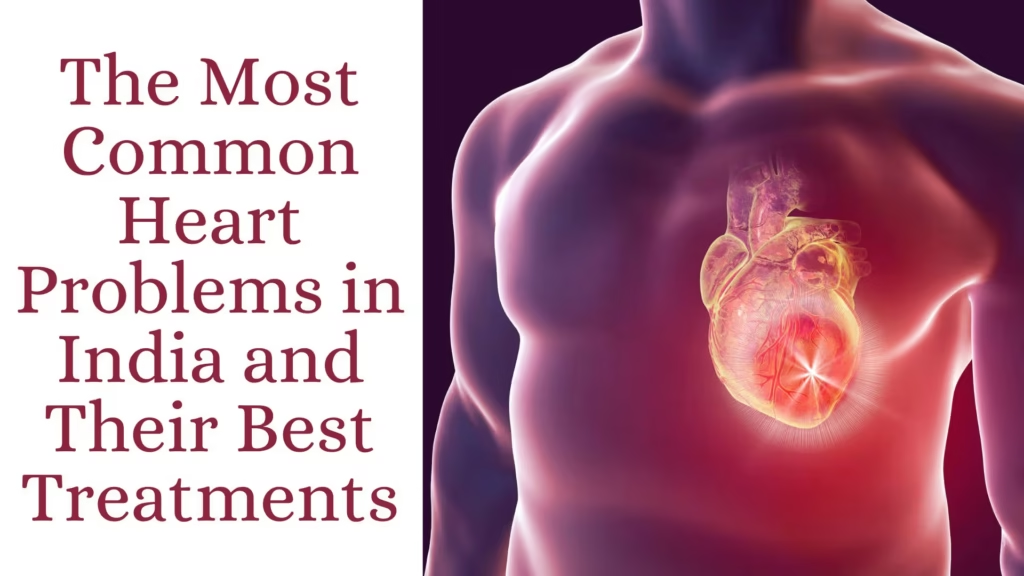
Heart Disease in India: A Serious Health Challenge We recognize that heart diseases have become one of the leading causes of death and disability in India today. Changing lifestyles, stress, unbalanced diets, physical inactivity, and genetic factors have contributed to the rapid increase in cardiovascular diseases. Heart disease is spreading rapidly not only in urban but also in rural areas. Our aim through this article is to provide detailed information on the most common heart problems in India, their symptoms, causes, and modern and effective treatment options. What are Heart Diseases and Why Do They Occur? We define heart diseases as conditions in which there is a malfunction in the heart muscles, arteries, valves, or electrical system. The main causes include: If not identified and treated promptly, these problems can be life-threatening. The Most Common Heart Problems in India Coronary Artery Disease (CAD) We consider Coronary Artery Disease to be the most common heart problem in India. In this condition, cholesterol and fat accumulate in the heart’s arteries, obstructing blood flow. Main Symptoms: Best Treatments: Heart Attack (Myocardial Infarction) We consider a heart attack to be an emergency situation in which the blood supply to the heart muscle is suddenly cut off. Main Symptoms: Treatment Options: High Blood Pressure (Hypertension) We consider high blood pressure a “silent killer” because its symptoms are often not apparent, but it can cause serious damage to the heart. Potential Complications: Best Treatment: Heart Failure We define heart failure as a condition in which the heart cannot pump enough blood to meet the body’s needs. Symptoms: Treatment Options: Medications (diuretics, ACE inhibitors) Pacemaker or ICD Heart transplant in advanced cases Arrhythmia (Heart Rhythm Disorders) We define arrhythmia as an irregularity in the heartbeat, which can be fast, slow, or irregular. Treatment: Valvular Heart Disease We see this condition as a problem where the heart valves do not open or close properly. Treatment Options: Congenital Heart Disease We also consider congenital heart diseases found in children a significant problem in India. Treatment: Modern Cardiac Treatment Technologies Available in India We believe that world-class treatment facilities for heart diseases are available in India. Modern technologies include: These technologies make treatment safer, more precise, and more effective. Prevention of Heart Diseases: The Most Effective Measure We believe that preventing heart diseases is possible if the right steps are taken in time. Key preventive measures: Conclusion We conclude that heart problems are increasing rapidly in India, but effective control is possible through the right information, timely diagnosis, and modern treatment. Awareness of heart diseases, a healthy lifestyle, and expert medical care can not only save lives but also improve the quality of life. Frequently Asked Questions (FAQs): Common Heart Problems and Their Treatments in India Question 1: Why are heart diseases increasing so rapidly in India? Answer: The main reasons for the increase in heart diseases in India include unhealthy lifestyle, stress, consumption of fast food, physical inactivity, smoking, diabetes, and high blood pressure. Genetic factors also increase the risk of heart diseases. Question 2: What is the most common heart problem in India? Answer: The most common heart problem in India is Coronary Artery Disease (CAD), which is caused by blockages in the arteries of the heart and is a major cause of heart attacks. Question 3: What are the early symptoms of a heart attack? Answer: Early symptoms of a heart attack may include chest pain or pressure, shortness of breath, pain in the left arm or jaw, excessive sweating, nausea, and anxiety. It is essential to reach a hospital immediately if these symptoms appear. Question 4: Can high blood pressure cause heart disease? Answer: Yes, prolonged high blood pressure can weaken the heart muscle and increase the risk of heart failure, heart attack, and stroke. Question 5: What is heart failure, and can it be completely cured? Answer: Heart failure is a condition where the heart cannot pump enough blood to meet the body’s needs. It cannot be completely cured, but it can be managed with proper medication, lifestyle changes, and modern medical devices. Question 6: Can young people also develop heart disease? Answer: Yes, heart diseases are increasing rapidly among young people these days. Stress, smoking, obesity, junk food, and lack of physical activity are the main reasons. Question 7: What is the difference between angioplasty and bypass surgery? Answer: In angioplasty, the blocked artery is opened with the help of a balloon and stent, while in bypass surgery, a new blood vessel is created to bypass the blockage. The choice between the two depends on the patient’s condition. Question 8: Is it possible to prevent heart diseases? Answer: Yes, heart diseases can be prevented to a great extent. A balanced diet, regular exercise, stress management, avoiding tobacco, and regular health checkups can help keep the heart healthy. Question 9: How dangerous is an irregular heartbeat? Answer: An irregular heartbeat (arrhythmia) can sometimes be harmless, but in some cases, it can lead to fainting, stroke, or heart failure. Proper diagnosis and treatment are crucial. Question 10: Why are regular checkups necessary for heart patients? Answer: Regular checkups allow for timely detection of the disease, monitoring the effectiveness of treatment, and preventing future complications. This is extremely important for a long and healthy life.
Apple Hospital – Best Urology Hospital in Indore
Apple Hospital is recognized as one of the best urology hospitals in Indore, offering advanced diagnosis and treatment for diseases of the urinary tract and male reproductive system. Our urology department combines experienced urologists, modern technology, and patient-centric care to deliver accurate and effective treatment outcomes.
From kidney stones and prostate disorders to complex urological surgeries, Apple Hospital provides comprehensive urology care under one roof, ensuring safety, comfort, and faster recovery for patients.
Main Urology Services
What We Treat
Kidney Stone Treatment
We specialize in the diagnosis and treatment of kidney stones using minimally invasive techniques such as laser stone surgery, PCNL, URSL, and ESWL, ensuring quick relief and minimal downtime.

Prostate Disease Treatment
Our urologists treat enlarged prostate (BPH), prostatitis, and prostate-related urinary issues using advanced medical and surgical approaches for long-term relief.
Urinary Tract Infection (UTI) Treatment
We provide accurate diagnosis and targeted treatment for recurrent and complicated UTIs in both men and women, focusing on complete infection control and prevention.

Male Infertility & Sexual Health
Apple Hospital offers confidential evaluation and treatment for male infertility, erectile dysfunction, and other sexual health concerns, using evidence-based medical solutions.

Pediatric Urology
We provide specialized urology care for children, including congenital urinary tract abnormalities, bedwetting, and pediatric kidney disorders, in a child-friendly environment.

Urological Cancer Care
Early detection and management of kidney cancer, bladder cancer, prostate cancer, and testicular cancer, with a focus on timely intervention and personalized treatment planning.

Neuro-Urology
Diagnosis and treatment of urinary problems related to neurological conditions such as spinal cord injury, stroke, or Parkinson’s disease.

Preventive Urology Care
Regular screenings, lifestyle counseling, and early diagnosis to prevent chronic kidney and urinary tract diseases and improve long-term urological health.

Urinary Incontinence Treatment
We provide advanced evaluation and treatment for urinary incontinence (loss of bladder control) in men and women. Our urologists offer medical management, pelvic floor guidance, and minimally invasive procedures to improve bladder control and enhance quality of life.
Why Choose Apple Hospital for Urology?
Why Apple Hospital Stands Out
Apple Hospital is trusted by patients across Indore and nearby regions for delivering ethical, transparent, and high-quality urology care.
- Experienced Urologists
Our urology team consists of highly trained specialists with experience in managing both routine and complex urological conditions.
- Advanced Technology & Equipment
We use modern diagnostic tools and minimally invasive surgical techniques to ensure precise treatment and faster recovery.
- Comprehensive Urology Services
From OPD consultation to surgery, rehabilitation, and follow-up care, all services are available under one roof.
- Patient-Centric Approach
Every treatment plan is personalized based on the patient’s condition, age, lifestyle, and medical history.
- Trusted Hospital in Indore
Apple Hospital is known for its transparent medical practices, affordable care, and strong patient satisfaction.
When Should You See a Urologist?
- Pain or burning during urination
- Blood in urine
- Recurrent urinary tract infections
- Difficulty in passing urine
- Kidney stone symptoms
- Male infertility or sexual health concerns
Early consultation helps prevent complications and ensures better outcomes.
Our Patients Testimonials
The biggest achievement for us is the smile of the patients and their trust. The story of every patient treated at Apple Hospital is a proof of our dedication and care. Whether it is an emergency or treatment of a serious disease, the positive experiences of our patients inspire us to continuously provide better service.
Our Blog Post
At Apple Hospital, we believe that awareness, early diagnosis, and advanced medical care play a vital role in improving cancer outcomes. Oncology is one of the most critical medical specialties dedicated to saving lives through accurate diagnosis, personalized treatment, and compassionate care. This comprehensive guide explains oncology in depth, covering its meaning, types, diagnosis, treatment approaches, and the role of modern oncology centers in delivering world-class cancer care. What Is Oncology? Oncology is the branch of medicine that focuses on the prevention, diagnosis, treatment, and management of cancer. Doctors who specialize in oncology are known as oncologists, and they are trained to handle different types of cancers using evidence-based, patient-centric approaches. Cancer develops when abnormal cells grow uncontrollably and invade surrounding tissues or spread to other parts of the body. Oncology addresses this complex disease through a combination of medical expertise, advanced technology, and multidisciplinary collaboration. The Importance of Oncology in Modern Healthcare Cancer is one of the leading causes of mortality worldwide, making oncology a cornerstone of modern healthcare systems. The field has evolved rapidly, offering improved survival rates, better quality of life, and targeted therapies that minimize side effects. At leading institutions like Apple Hospital, oncology care integrates: This comprehensive approach ensures patients receive accurate diagnoses and the most effective treatment plans. Types of Oncology Oncology is divided into several specialized branches, each focusing on a specific method of cancer treatment. Medical Oncology Medical oncology involves the use of chemotherapy, immunotherapy, targeted therapy, and hormone therapy to treat cancer. Medical oncologists design individualized drug-based treatment plans based on cancer type and stage. Surgical Oncology Surgical oncology focuses on the removal of cancerous tumors through surgical procedures. Surgery may be used for diagnosis, treatment, staging, or symptom relief. Radiation Oncology Radiation oncology uses high-energy radiation to destroy cancer cells or shrink tumors. It is often combined with surgery or chemotherapy for optimal results. Pediatric Oncology This branch specializes in diagnosing and treating cancers in children and adolescents, using protocols designed to ensure long-term survival and development. Preventive Oncology Preventive oncology emphasizes early detection, cancer screening, genetic counseling, and lifestyle modification to reduce cancer risk. Common Types of Cancer Treated in Oncology Oncology departments manage a wide spectrum of cancers, including: Each cancer type requires a unique diagnostic and therapeutic approach, guided by clinical evidence and patient needs. How Cancer Is Diagnosed in Oncology Accurate diagnosis is the foundation of effective cancer treatment. Oncology diagnosis involves multiple advanced techniques: Clinical Evaluation Detailed medical history and physical examination help identify warning signs and risk factors. Imaging Techniques Advanced imaging such as CT scans, MRI, PET scans, ultrasound, and mammography provide detailed visualization of tumors. Biopsy and Histopathology A biopsy confirms cancer by examining tissue samples under a microscope, determining cancer type and grade. Molecular and Genetic Testing Modern oncology uses genomic profiling to identify specific mutations and guide targeted therapies. Oncology Treatment Options Cancer treatment is highly personalized. Oncology specialists develop treatment plans based on cancer type, stage, patient health, and treatment goals. Chemotherapy Chemotherapy uses powerful drugs to destroy rapidly dividing cancer cells. It may be used alone or in combination with other treatments. Radiation Therapy Radiation therapy precisely targets tumors while protecting surrounding healthy tissue. Targeted Therapy Targeted therapy attacks specific cancer cell markers, offering higher precision and fewer side effects. Immunotherapy Immunotherapy strengthens the body’s immune system to recognize and destroy cancer cells. Hormone Therapy Hormone therapy is effective for hormone-sensitive cancers such as breast and prostate cancer. Palliative Care Palliative oncology focuses on pain management, symptom relief, and quality of life, regardless of disease stage. Role of Multidisciplinary Care in Oncology Modern oncology relies on a multidisciplinary approach, involving: This team-based approach ensures comprehensive, coordinated, and patient-focused care at every stage of cancer treatment. Preventive Oncology and Early Detection Preventive oncology plays a critical role in reducing cancer incidence and mortality. Key strategies include: Early detection significantly improves treatment success and survival rates. Why Choose a Specialized Oncology Hospital Choosing the right oncology center directly impacts treatment outcomes. Advanced cancer hospitals offer: At Apple Hospital, oncology care is delivered with a strong commitment to medical excellence, ethical practices, and patient dignity. The Future of Oncology Oncology continues to evolve with breakthroughs in: These innovations are transforming cancer care into a more accurate, effective, and patient-friendly discipline. Conclusion Oncology is a vital medical specialty dedicated to fighting cancer through science, skill, and compassion. From early detection to advanced treatment and long-term care, oncology plays a crucial role in improving survival rates and quality of life for cancer patients. With experienced specialists, advanced technology, and a patient-first philosophy, institutions like Apple Hospital are setting new benchmarks in comprehensive cancer care. Frequently Asked Questions (FAQs) – Oncology 1. What is Oncology? Oncology is a specialized branch of medicine that focuses on the prevention, diagnosis, treatment, and management of cancer. It involves the use of advanced medical techniques and therapies to control and cure different types of cancers. 2. Who is an Oncologist? An oncologist is a medical specialist trained to diagnose and treat cancer. Oncologists may specialize in medical oncology, surgical oncology, or radiation oncology, depending on the type of treatment they provide. 3. What are the main types of Oncology? The main types of oncology include medical oncology, surgical oncology, radiation oncology, pediatric oncology, and preventive oncology. Each branch focuses on a specific aspect of cancer care. 4. What diseases are treated under Oncology? Oncology treats various cancers such as breast cancer, lung cancer, oral cancer, blood cancers, gastrointestinal cancers, gynecological cancers, prostate cancer, and brain tumors. 5. How is cancer diagnosed in Oncology? Cancer is diagnosed through a combination of clinical evaluation, imaging tests (CT, MRI, PET scans), biopsy, laboratory tests, and molecular or genetic testing. 6. What treatment options are available in Oncology? Oncology treatments include chemotherapy, radiation therapy, surgery, immunotherapy, targeted therapy, hormone therapy, and palliative care, depending on the type and stage of cancer. 7. What is chemotherapy in Oncology? Chemotherapy is a cancer
Emergency Care FAQs
Best Neurology Hospital in Indore:- The early symptoms of heart disease may include chest pain or pressure, shortness of breath, fatigue, dizziness and swelling in the arms and legs. These symptoms should not be ignored and a doctor should be contacted immediately.
No, heart disease can occur at any age. Nowadays, due to unhealthy lifestyle, stress, obesity and wrong eating habits, cases of heart disease are increasing even among young people.
A healthy and balanced diet, regular exercise, avoiding smoking and alcohol, reducing stress and getting periodic health checkups help prevent heart disease.
In a heart attack, the blood supply to the heart stops completely, while in angina the blood supply is partially reduced, causing temporary chest pain.
Yes, high blood pressure and diabetes are among the major causes of heart disease. Their proper management is essential to keep the heart healthy.