
What is colorectal cancer? Colorectal cancer is a kind of cancer that grows in the colon or rectum. It usually starts as growths on the inside of the intestine. Over time: Some of these growths may get bigger Certain kinds of growths can become cancer This change can take time, like ten to fifteen years, which gives us a chance to catch it early and stop it.  Why do people call it “Blue March”? March is the month when people think about cancer. The color blue is used to remind people about this cancer. Blue means we are aware of the cancer; we have hope. We want to stop it. During March people try to Teach people about the signs of cancer Encourage people to get checked Help people live lives That is why people call it “Blue March.”  Signs and Symptoms of Colorectal Cancer A lot of people who have cancer do not show any signs at first. That is why it is very important to get checked & consult with the doctor. Some warning signs are the following: Common signs are: Blood, in your stool or bleeding Your bowel habits. You have diarrhea or you are constipated Your stools are narrow or thin You have stomach pain. You feel bloated You feel like you still have to go to the bathroom You feel weak or tired You lose weight. You do not know why It is very important to remember that these signs can also mean you have something else wrong with you. You should never ignore them. Colorectal cancer is what we are talking about. We need to think about colorectal cancer when we see these signs.  Prevention of Colorectal Cancer The good thing about cancer is that you can really prevent it from happening. Lifestyle Changes: You should eat foods that have a lot of fiber like fruits and vegetables and whole grains Try not to eat much red meat and processed meat Exercise is very important so try to do it all the time You need to keep your weight at a level Do not smoke because it is bad for you Limit how much alcohol you drink Screening and Medical Prevention:  You should get a colonoscopy regularly, especially when you are over 45 years old or earlier if you are at high risk, for colorectal cancer If they find any polyps they can remove them. That will prevent colorectal cancer from developing It is very important to know your family history of cancer If they find cancer early, then you can get treatment, and that can save your life. Colorectal cancer is a thing, but if you take care of yourself and get screened regularly, you can really prevent it. Why Early Detection Matters in Colorectal Cancer detection is really important when it comes to fighting colorectal cancer. The thing is, this cancer usually develops slowly over years. This gives us a chance to detect it and treat it early on. Key Reasons Why Early Detection is Important: Higher Survival Rates: When we detect cancer early, like in the early stages, the survival rate is very high, over 90 percent. When it is detected at advanced stages, it is much harder to treat, and the survival rates are lower. Prevention Before Colorectal Cancer Develops: We have screening methods like colonoscopy that can detect and remove polyps before they even turn into cancer. This is why colorectal cancer is one of the preventable cancers. Less Aggressive Treatment: When we catch cancer early it often only needs minor surgery.. When it is at an advanced stage it may need things like chemotherapy, radiation or even multiple treatments. Better Quality of Life: Treating cancer early means there are fewer complications. This means patients can get back to their life faster. Reduced Treatment Burden: If we diagnose cancer early, it reduces the need for long and expensive treatments. Important Reminder: A lot of cases of colorectal cancer do not show any symptoms. This is why it is so important to get screened even if you feel perfectly healthy. Regular screening for cancer is essential.  Conclusion Colorectal cancer is a serious but highly preventable and treatable disease when detected early. It often begins silently, without noticeable symptoms, but progresses over time if left untreated. By understanding the risk factors, warning signs, and importance of screening, individuals can take proactive steps toward protecting their health. A healthy lifestyle, regular check-ups, and timely medical attention can make a life-saving difference. Don’t ignore the signs. Don’t delay screening. Early detection can save lives.  Frequently Asked Questions (FAQs) What Causes Colorectal Cancer and Its Treatments Question 1: What causes cancer? Answer: Colorectal cancer develops from genetic mutations in the colon or rectal cells of the colorectal cancer patient. It often starts from polyps in colorectal cancer. Question 2: Who is at risk of getting cancer? Answer: People who are over 45 years old and those with a family history of cancer and people who are obese or people who smoke or people who have unhealthy diets are at a higher risk of getting colorectal cancer. Question 3: Can young people get cancer? Answer: Yes young people can get cancer and there are more cases of colorectal cancer in younger adults now though colorectal cancer is more common in older individuals with colorectal cancer. Question 4:Is colorectal cancer curable? Answer: Yes, colorectal cancer is curable if the colorectal cancer is detected early and it is highly treatable and often curable if the colorectal cancer patient gets treatment early. Question 5:What is a colonoscopy for cancer? Answer: A colonoscopy is a test that allows doctors to examine the colon and remove polyps if they find any polyps in the colon of the colorectal cancer patient. Question 6: Is cancer painful? Answer: The early stages of cancer may not cause pain but pain usually appears in the later stages of colorectal cancer. Question 7: What does blood in stool look like
Apple Hospital – Indore’s Most Trusted Neurology Hospital
At Apple Hospital, we know that your brain and nervous system are behind your every thought, feeling and action. Our team of experienced Neurologist in Indore is available 24×7 to provide modern and precise treatment for stroke, epilepsy, migraine, Parkinson’s, nerve diseases and neurodegenerative diseases. We are known as the Best Neurology Hospital in Indore with state-of-the-art technology and patient-centric care.
Main Neurology Services
What We Treat
Stroke Treatment
Timely treatment during stroke can save brain function. We provide fast diagnosis, clot removal treatment and neuro-rehabilitation to reduce long-term disability.
Epilepsy Treatment
Detailed diagnosis and personalized treatment plan for epilepsy and other seizure disorders. We ensure better results with EEG monitoring and modern medicines.
Migraine Specialist
Specialized care for persistent headaches and migraines, including targeted therapy, lifestyle suggestions and preventive measures.
Parkinson’s Disease Treatment
Management of movement disorder diseases such as Parkinson’s disease, tremor and dystonia with modern medicines and supportive therapies.
Pediatric Neurologist
Treatment of epilepsy, developmental delay, cerebral palsy and other neurological conditions in children, in a child-friendly environment.
Neuro Rehabilitation Center
Rehabilitation plan for patients after stroke, head injury or neurological surgery, including physiotherapy, occupational therapy and speech therapy.
Multiple Sclerosis Treatment
Specialized management of multiple sclerosis, Alzheimer's, dementia and other progressive neurological diseases, to maintain functionality and quality of life.
Nerve Disorder Treatment
Advanced diagnosis and effective treatment for diseases like neuropathy, myopathy and neuromuscular junction disorders.
Preventive Cardiology
We provide personalized guidance and health checkups to prevent heart diseases. Proper diet, exercise and medical advice reduce future risk.
Why choose Apple Hospital for Neurology?
Why Apple Hospital Stands Out
Apple Hospital is recognized as one of the best neurology hospitals in Indore, offering advanced diagnosis and treatment for a wide range of neurological disorders. With a team of the Best Neurology Doctors in Indore, we combine cutting-edge neuro-imaging technology, modern infrastructure, and compassionate care to deliver excellent results.
Â
Our neurologists specialize in treating conditions such as stroke, epilepsy, migraine, Parkinson’s disease, neuropathy, spine disorders, and other complex neurological problems. Every patient receives a personalized treatment plan designed to improve recovery time, minimize complications, and enhance overall quality of life.
Â
At Apple Hospital, we believe in a patient-first approach. Our state-of-the-art neuro ICU, round-the-clock emergency services, and multidisciplinary team ensure that every patient receives timely and precise neurological care.
Â
Whether you are looking for preventive consultation, accurate diagnosis, or expert treatment, Apple Hospital remains the top choice for neurology care in Indore. Our commitment to excellence, advanced medical technology, and experienced specialists make us a trusted destination for brain and nerve health.
Â
Experience the care and expertise of the Best Neurology Doctors in Indore—only at Apple Hospital, where better recovery and compassionate care come together.
Our Patients Testimonials
The biggest achievement for us is the smile of the patients and their trust. The story of every patient treated at Apple Hospital is a proof of our dedication and care. Whether it is an emergency or treatment of a serious disease, the positive experiences of our patients inspire us to continuously provide better service.
Our Blog Post (Neurology )
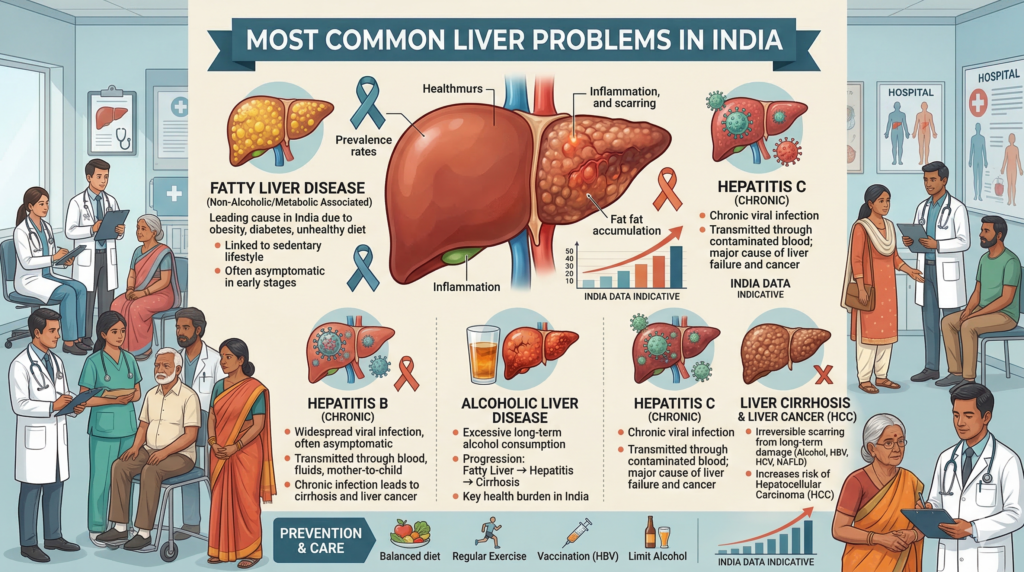
Most Common Liver Disease in India & Ignored Symptoms The liver plays a crucial role in keeping your body healthy—helping in detoxification, digestion, and metabolism. However, liver diseases in India are increasing rapidly, often without noticeable symptoms in the early stages.  Many people remain unaware of liver damage until it becomes severe. That’s why understanding the most common liver problems and their warning signs is essential. Why Liver Diseases Are Increasing in India Modern lifestyle habits are a major cause of rising liver issues: Sedentary lifestyle High intake of processed and sugary foods Obesity and diabetes Alcohol consumption Viral infections like Hepatitis B and C These factors are making liver disease one of the most common yet overlooked health conditions in India. Most Common Liver Problems in India Fatty Liver Disease (NAFLD / MASLD) Fatty liver is one of the most common liver disorders today. Caused by fat buildup in liver cells Common in people with obesity and diabetes Can occur even without alcohol consumption Treatment Options: Weight loss (7–10% reduction can significantly improve liver health) Regular exercise (at least 30 minutes daily) Healthy diet (low sugar, low fat, high fiber) Control of diabetes, cholesterol, and blood pressure Avoid alcohol completely Viral Hepatitis (A, B, C, E) A significant health concern across India. Hepatitis A & E spread through contaminated food and water Hepatitis B & C spread through infected blood or unsafe practices Treatment depends on the type of hepatitis: Hepatitis A & E: Usually self-limiting Rest, hydration, and proper nutrition Avoid fatty foods and alcohol Hepatitis B & C: Antiviral medications Regular monitoring of liver function Long-term follow-up to prevent complications Prevention: Vaccination (especially for Hepatitis B) Safe hygiene and medical practice.   Alcoholic Liver Disease Caused by excessive alcohol intake over time. Leads to fatty liver, hepatitis, and cirrhosis Increasing among adults due to lifestyle habits Treatment Options: Complete abstinence from alcohol Nutritional therapy and vitamin supplements Medications to reduce inflammation Regular liver function monitoring  Liver Cirrhosis A serious condition where liver tissue becomes scarred. Final stage of many liver diseases Affects liver function significantly Treatment Options: Medications to control symptoms and complications Low-sodium diet (to reduce fluid buildup) Diuretics for swelling (ascites) Regular screening for liver cancer Liver Cancer Usually develops from chronic liver disease or cirrhosis. Linked with hepatitis infections Often diagnosed at advanced stages Treatment Options: Surgical removal of tumor (early stages) Targeted therapy or chemotherapy Radiation therapy Immunotherapy (in selected cases) Symptoms People Usually Ignore Liver diseases often begin silently. Early symptoms are mild and frequently ignored. Commonly Ignored Symptoms: Persistent fatigue Loss of appetite Nausea or vomiting Mild abdominal pain Indigestion or bloating Warning Signs You Should Not Ignore: Yellowing of skin or eyes (jaundice) Swelling in abdomen or legs Dark urine Pale stools Unexplained weight loss Itchy skin or easy bruising These symptoms may indicate advanced liver damage and require immediate medical attention. Why Early Detection Matters The liver has the ability to repair itself—but only if detected early. Regular health checkups and liver function tests (LFTs) can help identify problems before they become serious. How to Keep Your Liver Healthy Maintain a healthy weight Avoid excessive alcohol consumption Eat a balanced and nutritious diet Exercise regularly Get vaccinated for Hepatitis B Avoid self-medication When to See a Doctor If you experience any persistent symptoms like fatigue, digestive issues, or jaundice, consult a specialist immediately. Early diagnosis can prevent serious complications and improve outcomes. Conclusion Liver diseases are becoming increasingly common in India, but most cases are preventable. Ignoring early symptoms can lead to severe health complications. Stay aware, adopt a healthy lifestyle, and prioritize regular health checkups to protect your liver. Frequently Asked Questions (FAQs): Common Liver Diseases and Their Treatments in India Question 1: Why are liver diseases increasing in India? Answer: The rise in liver diseases in India is mainly due to unhealthy lifestyle habits such as poor diet, obesity, diabetes, alcohol consumption, and lack of physical activity. Viral infections like hepatitis B and C also contribute significantly. Question 2:What is the most common liver problem in India? Answer: The most common liver condition in India is fatty liver disease (NAFLD/MASLD). It occurs due to fat accumulation in the liver and is commonly seen in people with obesity, diabetes, and sedentary lifestyles. Question 3: What is the treatment for fatty liver disease? Answer: Treatment mainly focuses on lifestyle changes such as weight loss, regular exercise, a healthy diet, controlling diabetes and cholesterol, and avoiding alcohol. In early stages, fatty liver can be reversed completely. Question 4: What is viral hepatitis, and how is it treated? Answer: Viral hepatitis is a liver infection caused by viruses (A, B, C, E). Hepatitis A & E: Usually treated with rest, hydration, and proper diet Hepatitis B & C: Require antiviral medications and long-term monitoring Question 5: What is alcoholic liver disease and its treatment? Answer: Alcoholic liver disease occurs due to excessive alcohol intake over time. Treatment includes: Complete stop of alcohol consumption, nutritional support, Medications for liver inflammation, Regular monitoring Early stages can improve if alcohol is stopped. Question 6: What is liver cirrhosis and can it be treated? Cirrhosis is a condition where the liver becomes scarred and loses function. Treatment includes: Medications to manage symptoms, Low-salt diet, Treatment for fluid buildup, Regular monitoring. In advanced cases, a liver transplant may be required. Question 7: What is the difference between angioplasty and bypass surgery? Answer: Treatment depends on the stage of cancer and includes surgery to remove tumors, chemotherapy or targeted therapy, radiation therapy, and liver transplant (in selected cases). Early detection improves treatment success. Question 8: What are the early symptoms of liver disease? Answer: Early symptoms are often mild and ignored, such as fatigue, loss of appetite, nausea, and mild abdominal discomfort. Question 9: When should someone see a doctor for liver problems? Answer: You should consult a doctor if you notice: Yellowing of eyes or skin (jaundice), Abdominal swelling, Dark urine, Unexplained weight loss, Persistent digestive issues. Question 10 : How can
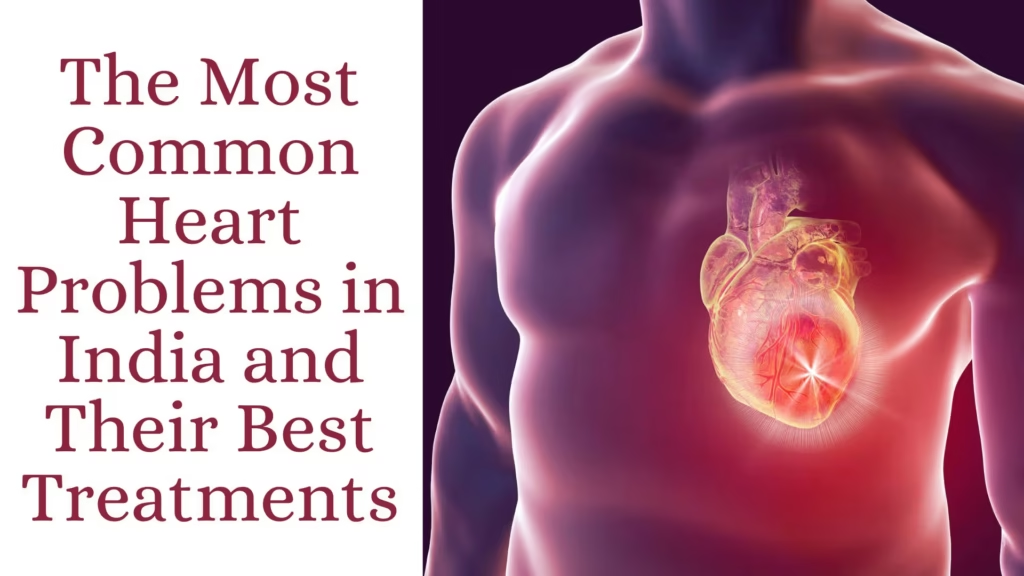
Heart Disease in India: A Serious Health Challenge We recognize that heart diseases have become one of the leading causes of death and disability in India today. Changing lifestyles, stress, unbalanced diets, physical inactivity, and genetic factors have contributed to the rapid increase in cardiovascular diseases. Heart disease is spreading rapidly not only in urban but also in rural areas. Our aim through this article is to provide detailed information on the most common heart problems in India, their symptoms, causes, and modern and effective treatment options. What are Heart Diseases and Why Do They Occur? We define heart diseases as conditions in which there is a malfunction in the heart muscles, arteries, valves, or electrical system. The main causes include: If not identified and treated promptly, these problems can be life-threatening. The Most Common Heart Problems in India Coronary Artery Disease (CAD) We consider Coronary Artery Disease to be the most common heart problem in India. In this condition, cholesterol and fat accumulate in the heart’s arteries, obstructing blood flow. Main Symptoms: Best Treatments: Heart Attack (Myocardial Infarction) We consider a heart attack to be an emergency situation in which the blood supply to the heart muscle is suddenly cut off. Main Symptoms: Treatment Options: High Blood Pressure (Hypertension) We consider high blood pressure a “silent killer” because its symptoms are often not apparent, but it can cause serious damage to the heart. Potential Complications: Best Treatment: Heart Failure We define heart failure as a condition in which the heart cannot pump enough blood to meet the body’s needs. Symptoms: Treatment Options: Medications (diuretics, ACE inhibitors) Pacemaker or ICD Heart transplant in advanced cases Arrhythmia (Heart Rhythm Disorders) We define arrhythmia as an irregularity in the heartbeat, which can be fast, slow, or irregular. Treatment: Valvular Heart Disease We see this condition as a problem where the heart valves do not open or close properly. Treatment Options: Congenital Heart Disease We also consider congenital heart diseases found in children a significant problem in India. Treatment: Modern Cardiac Treatment Technologies Available in India We believe that world-class treatment facilities for heart diseases are available in India. Modern technologies include: These technologies make treatment safer, more precise, and more effective. Prevention of Heart Diseases: The Most Effective Measure We believe that preventing heart diseases is possible if the right steps are taken in time. Key preventive measures: Conclusion We conclude that heart problems are increasing rapidly in India, but effective control is possible through the right information, timely diagnosis, and modern treatment. Awareness of heart diseases, a healthy lifestyle, and expert medical care can not only save lives but also improve the quality of life. Frequently Asked Questions (FAQs): Common Heart Problems and Their Treatments in India Question 1: Why are heart diseases increasing so rapidly in India? Answer: The main reasons for the increase in heart diseases in India include unhealthy lifestyle, stress, consumption of fast food, physical inactivity, smoking, diabetes, and high blood pressure. Genetic factors also increase the risk of heart diseases. Question 2: What is the most common heart problem in India? Answer: The most common heart problem in India is Coronary Artery Disease (CAD), which is caused by blockages in the arteries of the heart and is a major cause of heart attacks. Question 3: What are the early symptoms of a heart attack? Answer: Early symptoms of a heart attack may include chest pain or pressure, shortness of breath, pain in the left arm or jaw, excessive sweating, nausea, and anxiety. It is essential to reach a hospital immediately if these symptoms appear. Question 4: Can high blood pressure cause heart disease? Answer: Yes, prolonged high blood pressure can weaken the heart muscle and increase the risk of heart failure, heart attack, and stroke. Question 5: What is heart failure, and can it be completely cured? Answer: Heart failure is a condition where the heart cannot pump enough blood to meet the body’s needs. It cannot be completely cured, but it can be managed with proper medication, lifestyle changes, and modern medical devices. Question 6: Can young people also develop heart disease? Answer: Yes, heart diseases are increasing rapidly among young people these days. Stress, smoking, obesity, junk food, and lack of physical activity are the main reasons. Question 7: What is the difference between angioplasty and bypass surgery? Answer: In angioplasty, the blocked artery is opened with the help of a balloon and stent, while in bypass surgery, a new blood vessel is created to bypass the blockage. The choice between the two depends on the patient’s condition. Question 8: Is it possible to prevent heart diseases? Answer: Yes, heart diseases can be prevented to a great extent. A balanced diet, regular exercise, stress management, avoiding tobacco, and regular health checkups can help keep the heart healthy. Question 9: How dangerous is an irregular heartbeat? Answer: An irregular heartbeat (arrhythmia) can sometimes be harmless, but in some cases, it can lead to fainting, stroke, or heart failure. Proper diagnosis and treatment are crucial. Question 10: Why are regular checkups necessary for heart patients? Answer: Regular checkups allow for timely detection of the disease, monitoring the effectiveness of treatment, and preventing future complications. This is extremely important for a long and healthy life.
Emergency Care FAQs
Best Neurology Hospital in Indore:- The early symptoms of heart disease may include chest pain or pressure, shortness of breath, fatigue, dizziness and swelling in the arms and legs. These symptoms should not be ignored and a doctor should be contacted immediately.
No, heart disease can occur at any age. Nowadays, due to unhealthy lifestyle, stress, obesity and wrong eating habits, cases of heart disease are increasing even among young people.
A healthy and balanced diet, regular exercise, avoiding smoking and alcohol, reducing stress and getting periodic health checkups help prevent heart disease.
In a heart attack, the blood supply to the heart stops completely, while in angina the blood supply is partially reduced, causing temporary chest pain.
Yes, high blood pressure and diabetes are among the major causes of heart disease. Their proper management is essential to keep the heart healthy.