
What is colorectal cancer?
Colorectal cancer is a kind of cancer that grows in the colon or rectum. It usually starts as growths on the inside of the intestine.
Over time:
- Some of these growths may get bigger
- Certain kinds of growths can become cancer
This change can take time, like ten to fifteen years, which gives us a chance to catch it early and stop it.
Why do people call it “Blue March”?
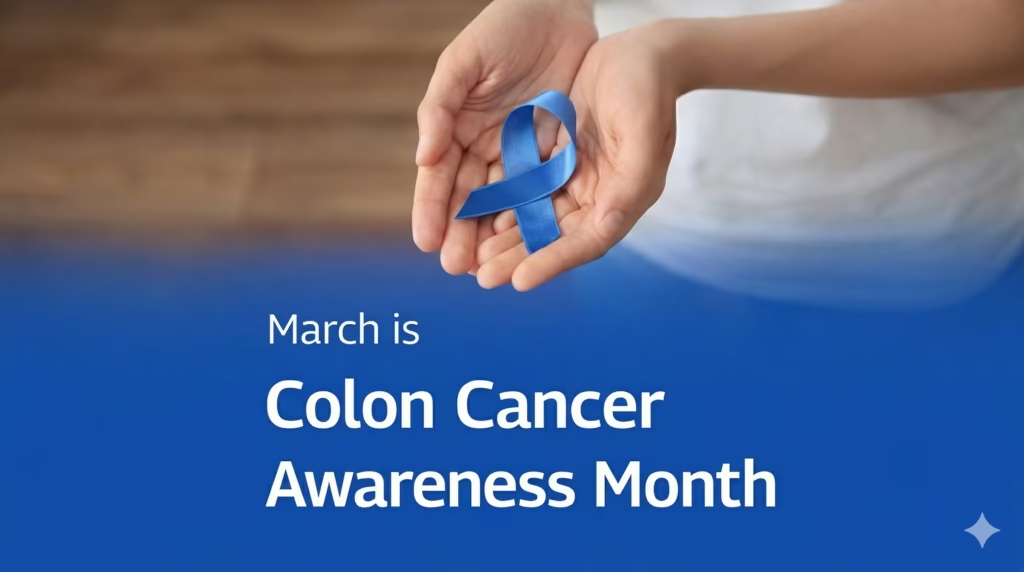
March is the month when people think about cancer. The color blue is used to remind people about this cancer.
Blue means we are aware of the cancer; we have hope. We want to stop it.
During March people try to
- Teach people about the signs of cancer
- Encourage people to get checked
- Help people live lives
- That is why people call it “Blue March.”
Signs and Symptoms of Colorectal Cancer
A lot of people who have cancer do not show any signs at first. That is why it is very important to get checked & consult with the doctor. Some warning signs are the following:
- Common signs are:
- Blood, in your stool or bleeding
- Your bowel habits. You have diarrhea or you are constipated
- Your stools are narrow or thin
- You have stomach pain. You feel bloated
- You feel like you still have to go to the bathroom
- You feel weak or tired
- You lose weight. You do not know why
It is very important to remember that these signs can also mean you have something else wrong with you. You should never ignore them. Colorectal cancer is what we are talking about. We need to think about colorectal cancer when we see these signs.
Prevention of Colorectal Cancer
The good thing about cancer is that you can really prevent it from happening.
Lifestyle Changes:
- You should eat foods that have a lot of fiber like fruits and vegetables and whole grains
- Try not to eat much red meat and processed meat
- Exercise is very important so try to do it all the time
- You need to keep your weight at a level
- Do not smoke because it is bad for you
- Limit how much alcohol you drink
Screening and Medical Prevention:
- You should get a colonoscopy regularly, especially when you are over 45 years old or earlier if you are at high risk, for colorectal cancer
- If they find any polyps they can remove them. That will prevent colorectal cancer from developing
- It is very important to know your family history of cancer
- If they find cancer early, then you can get treatment, and that can save your life. Colorectal cancer is a thing, but if you take care of yourself and get screened regularly, you can really prevent it.
Why Early Detection Matters in Colorectal Cancer
detection is really important when it comes to fighting colorectal cancer. The thing is, this cancer usually develops slowly over years. This gives us a chance to detect it and treat it early on.
Key Reasons Why Early Detection is Important:
- Higher Survival Rates: When we detect cancer early, like in the early stages, the survival rate is very high, over 90 percent. When it is detected at advanced stages, it is much harder to treat, and the survival rates are lower.
- Prevention Before Colorectal Cancer Develops: We have screening methods like colonoscopy that can detect and remove polyps before they even turn into cancer. This is why colorectal cancer is one of the preventable cancers.
- Less Aggressive Treatment: When we catch cancer early it often only needs minor surgery.. When it is at an advanced stage it may need things like chemotherapy, radiation or even multiple treatments.
- Better Quality of Life: Treating cancer early means there are fewer complications. This means patients can get back to their life faster.
- Reduced Treatment Burden: If we diagnose cancer early, it reduces the need for long and expensive treatments.
Important Reminder: A lot of cases of colorectal cancer do not show any symptoms. This is why it is so important to get screened even if you feel perfectly healthy. Regular screening for cancer is essential.
Conclusion
Colorectal cancer is a serious but highly preventable and treatable disease when detected early. It often begins silently, without noticeable symptoms, but progresses over time if left untreated.
By understanding the risk factors, warning signs, and importance of screening, individuals can take proactive steps toward protecting their health.
A healthy lifestyle, regular check-ups, and timely medical attention can make a life-saving difference.
Don’t ignore the signs. Don’t delay screening. Early detection can save lives.
Frequently Asked Questions (FAQs) What Causes Colorectal Cancer and Its Treatments
Question 1: What causes cancer?
Answer: Colorectal cancer develops from genetic mutations in the colon or rectal cells of the colorectal cancer patient. It often starts from polyps in colorectal cancer.
Question 2: Who is at risk of getting cancer?
Answer: People who are over 45 years old and those with a family history of cancer and people who are obese or people who smoke or people who have unhealthy diets are at a higher risk of getting colorectal cancer.
Question 3: Can young people get cancer?
Answer: Yes young people can get cancer and there are more cases of colorectal cancer in younger adults now though colorectal cancer is more common in older individuals with colorectal cancer.
Question 4:Is colorectal cancer curable?
Answer: Yes, colorectal cancer is curable if the colorectal cancer is detected early and it is highly treatable and often curable if the colorectal cancer patient gets treatment early.
Question 5:What is a colonoscopy for cancer?
Answer: A colonoscopy is a test that allows doctors to examine the colon and remove polyps if they find any polyps in the colon of the colorectal cancer patient.
Question 6: Is cancer painful?
Answer: The early stages of cancer may not cause pain but pain usually appears in the later stages of colorectal cancer.
Question 7: What does blood in stool look like for someone with cancer?
Answer:The blood in stool may appear red or the stool may be dark or black for someone with colorectal cancer and anyone who sees any abnormality should get it checked by a doctor for colorectal cancer.
Question 8: How often should someone get screening for cancer?
Answer: Someone should get screened for cancer typically every 10 years after they are 45 years old, but it depends on the individual risk of getting colorectal cancer.
Question 9: Can diet really prevent someone from getting cancer?
Answer: A healthy diet can significantly reduce the risk of getting cancer but it does not guarantee that someone will not get colorectal cancer.
Question 10 : When should someone see a doctor about cancer?
Answer: Someone should see a doctor if they notice symptoms like bleeding or changes, in bowel movements or unexplained weight loss and they should get checked for cancer.