
24×7 Emergency Trauma Care in Indore
Fast, Expert & Life-Saving Emergency Treatment at Apple Hospital
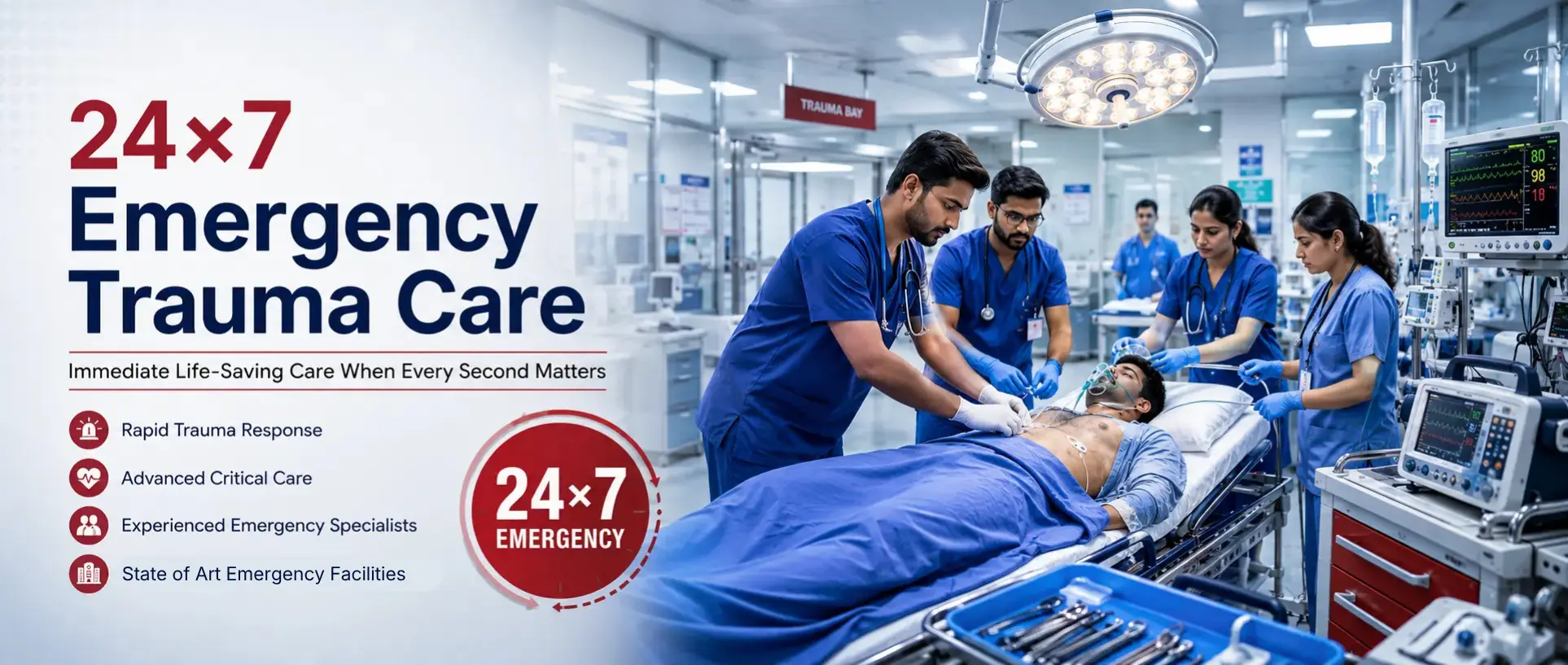
Emergencies can happen at any time, and every second matters. At Apple Hospital, we provide 24×7 Emergency Trauma Care in Indore, delivering immediate medical attention for Accident Victims, Critical Injuries, Medical Emergencies and Life-Threatening conditions. Our emergency department is staffed round-the-clock by experienced Emergency Physicians, Trauma Surgeons, Critical Care Specialists, Anesthesiologists, Orthopedic Surgeons, Neurologists and Trained Nursing professionals to ensure rapid diagnosis and treatment. Apple Hospital’s emergency department emphasizes rapid response, advanced life-support systems, ICU backup, and multidisciplinary care for emergencies ranging from road traffic accidents to cardiac and neurological emergencies.
Whether it is a road accident, severe injury, head trauma, fractures, burns, chest pain, stroke, poisoning, or any other medical emergency, our expert team is always prepared to provide immediate and comprehensive care with the latest diagnostic and treatment facilities.
24×7 Emergency Trauma Care in Indore
Fast, Expert & Life-Saving Emergency Treatment at Apple Hospital
Emergencies can happen at any time, and every second matters. At Apple Hospital, we provide 24×7 Emergency Trauma Care in Indore, delivering immediate medical attention for Accident Victims, Critical Injuries, Medical Emergencies and Life-Threatening conditions. Our emergency department is staffed round-the-clock by experienced Emergency Physicians, Trauma Surgeons, Critical Care Specialists, Anesthesiologists, Orthopedic Surgeons, Neurologists and Trained Nursing professionals to ensure rapid diagnosis and treatment. Apple Hospital’s emergency department emphasizes rapid response, advanced life-support systems, ICU backup, and multidisciplinary care for emergencies ranging from road traffic accidents to cardiac and neurological emergencies.
Whether it is a road accident, severe injury, head trauma, fractures, burns, chest pain, stroke, poisoning, or any other medical emergency, our expert team is always prepared to provide immediate and comprehensive care with the latest diagnostic and treatment facilities.
24×7 Emergency Trauma Services We Offer
What We Treat
Road Traffic Accident (RTA)
Immediate treatment for road accidents, multiple injuries, fractures, internal bleeding, and polytrauma.
Head & Brain Injury Care
Emergency management of head injuries, brain trauma, concussion, skull fractures, and neurological emergencies.

Orthopedic Trauma Care
Immediate care for fractures, dislocations, ligament injuries, sports injuries, crush injuries and complex bone trauma.
Chest & Abdominal Trauma
Rapid diagnosis and treatment for internal injuries, organ damage, chest trauma and abdominal emergencies.

Stroke & Neurological Emergencies
Rapid stroke evaluation, emergency neurological assessment and immediate intervention to minimize complications and improve patient outcomes.

Cardiac Emergencies
Immediate treatment for chest pain, heart attack, arrhythmia and other life-threatening heart conditions & other heart related emergencies

Dialysis Services
Comprehensive dialysis care for patients with acute and chronic kidney disease, including emergency dialysis, hemodialysis, fluid and electrolyte management
Poisoning & Drug Overdose
We provides rapid diagnosis and life-saving treatment for poisoning, toxic exposure, medication overdose, and chemical ingestion

Pediatric Emergency Care
Our 24×7 Pediatric Emergency Department provides immediate care for newborns and children, with dedicated NICU for newborns and PICU for critically ill children.
24×7 Emergency Trauma Services We Offer
What We Treat
Road Traffic Accident (RTA)
Immediate treatment for road accidents, multiple injuries, fractures, internal bleeding, and polytrauma.
Head & Brain Injury Care
Emergency management of head injuries, brain trauma, concussion, skull fractures, and neurological emergencies.
Orthopedic Trauma Care
Immediate care for fractures, dislocations, ligament injuries, sports injuries, crush injuries, and complex bone trauma.
Chest & Abdominal Trauma
Apple Hospital: Our experts treat hair fall, dandruff, alopecia, scalp infections, and other hair-related concerns using advanced diagnostic methods and evidence-based therapies.

Burn & Electrical Injury Treatment
Comprehensive emergency management of thermal, chemical, and electrical burns.
Cardiac Emergencies
We provide non-surgical cosmetic dermatology treatments, including chemical peels, skin rejuvenation, scar management, anti-aging treatments, and other aesthetic skin care solutions.

Why Choose Apple Hospital for Emergency Trauma Care?
Why Apple Hospital Stands Out
Apple Hospital is trusted as one of the trusted 24×7 Emergency Trauma Care Hospitals in Indore because of its experienced emergency specialists, advanced medical infrastructure, rapid response system and patient-centered approach.
Our Emergency Trauma Care Department provides immediate and comprehensive treatment for critical injuries, accidents, and life-threatening medical emergencies. Equipped with advanced diagnostic facilities, ICU support, emergency operation theatre access and a multidisciplinary team of doctors, we ensure timely evaluation, stabilization, and expert management of every emergency case.
We focus on rapid response, accurate diagnosis, advanced emergency care and continuous monitoring to deliver safe, effective and life-saving treatment when every second matters.
Why Choose Apple Hospital for Emergency Trauma Care?
Why Apple Hospital Stands Out
Apple Hospital is trusted as one of the trusted 24×7 Emergency Trauma Care Hospitals in Indore because of its experienced emergency specialists, advanced medical infrastructure, rapid response system and patient-centered approach.
Our Emergency Trauma Care Department provides immediate and comprehensive treatment for critical injuries, accidents, and life-threatening medical emergencies. Equipped with advanced diagnostic facilities, ICU support, emergency operation theatre access and a multidisciplinary team of doctors, we ensure timely evaluation, stabilization and expert management of every emergency case.
We focus on rapid response, accurate diagnosis, advanced emergency care and continuous monitoring to deliver safe, effective and life-saving treatment when every second matters.
Our Patients Testimonials
The biggest achievement for us is the smile of the patients and their trust. The story of every patient treated at Apple Hospital is a proof of our dedication and care. Whether it is an emergency or treatment of a serious disease, the positive experiences of our patients inspire us to continuously provide better service.
Our Blog Post
- All Posts
- Cardiac
- Gastroenterology
- Gynaecology
- Oncology
- Back
- oncology
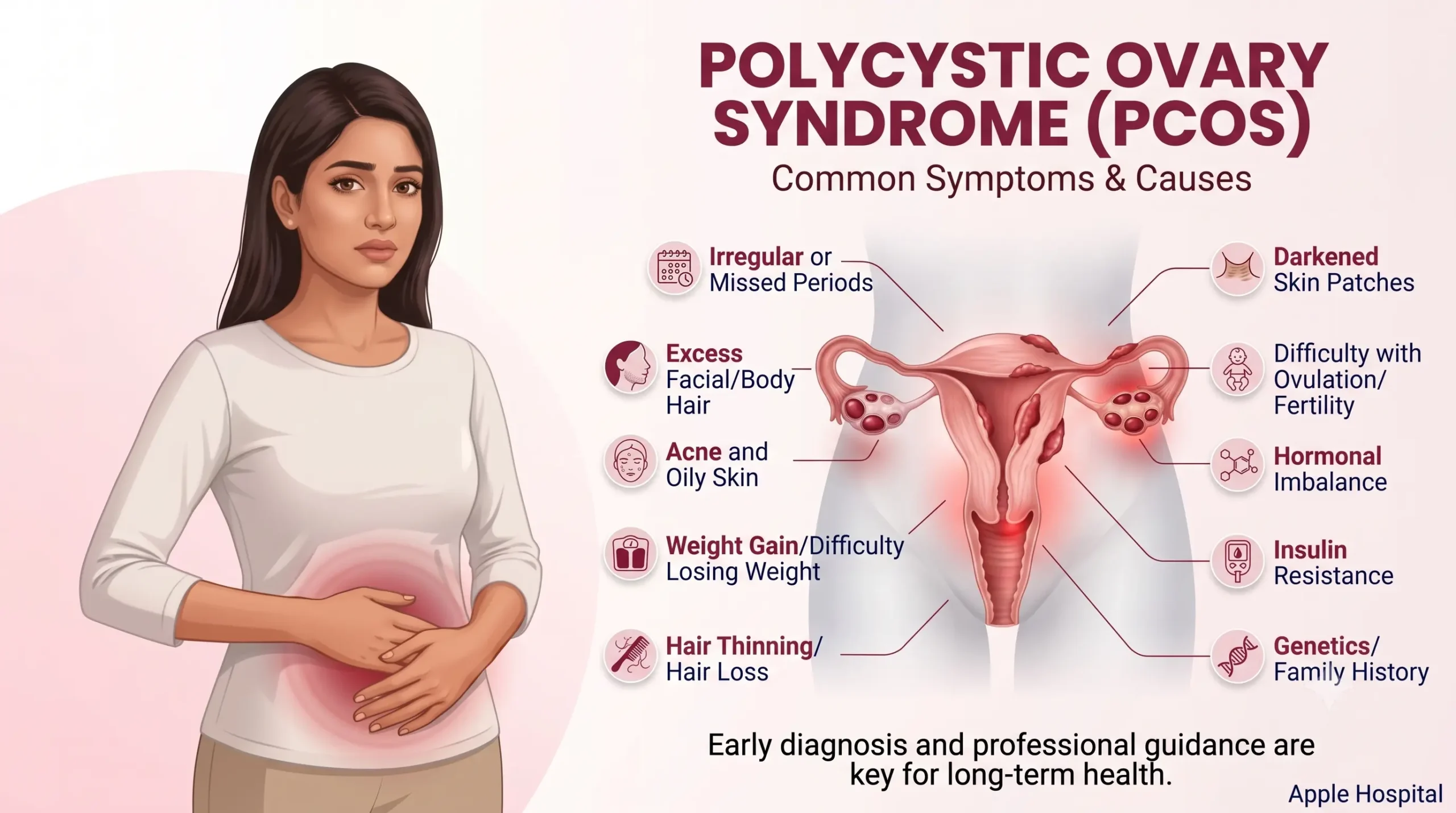
What is PCOS? Polycystic Ovary Syndrome (PCOS) is one of the most common hormonal and metabolic disorders affecting women of...
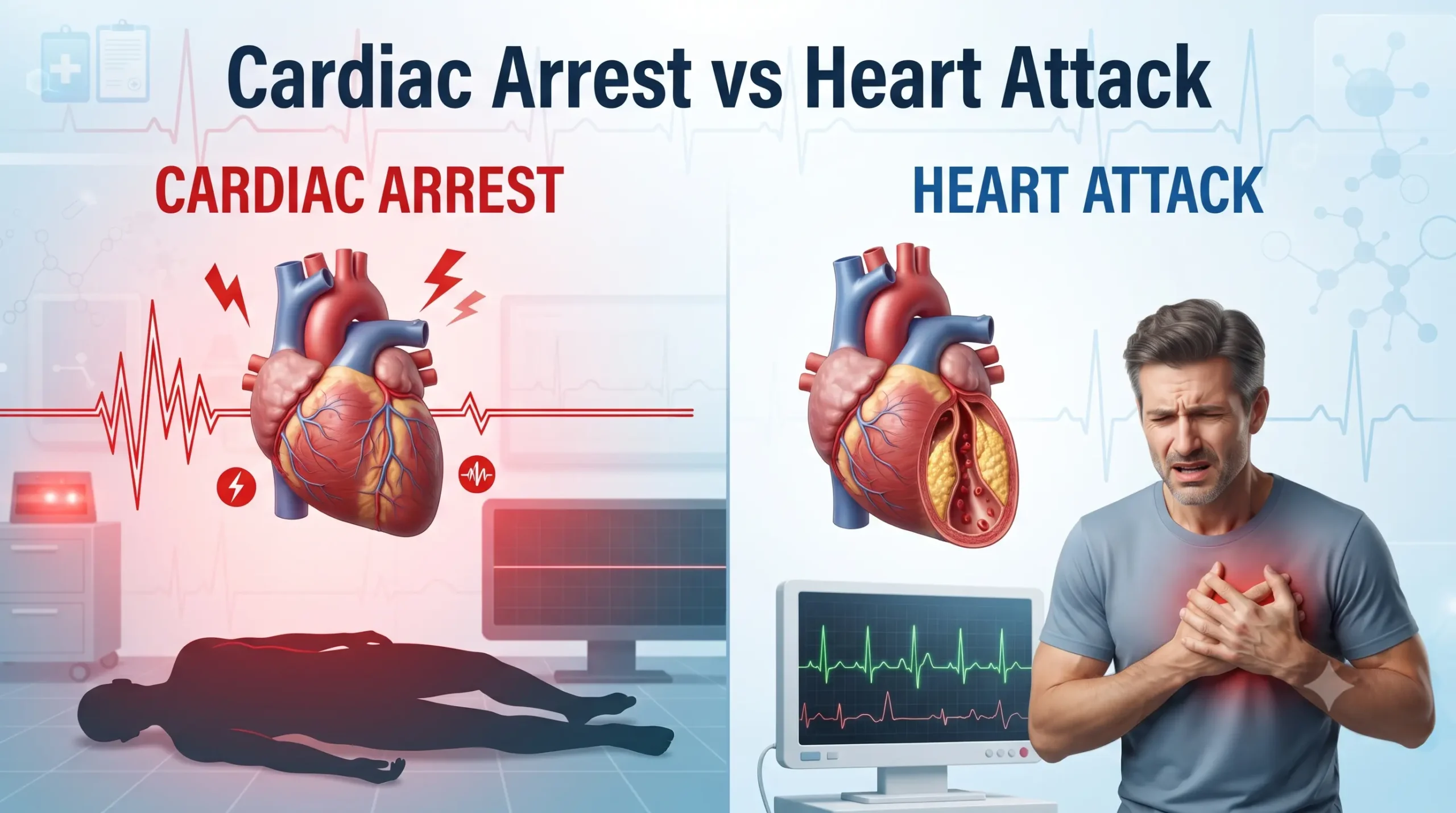
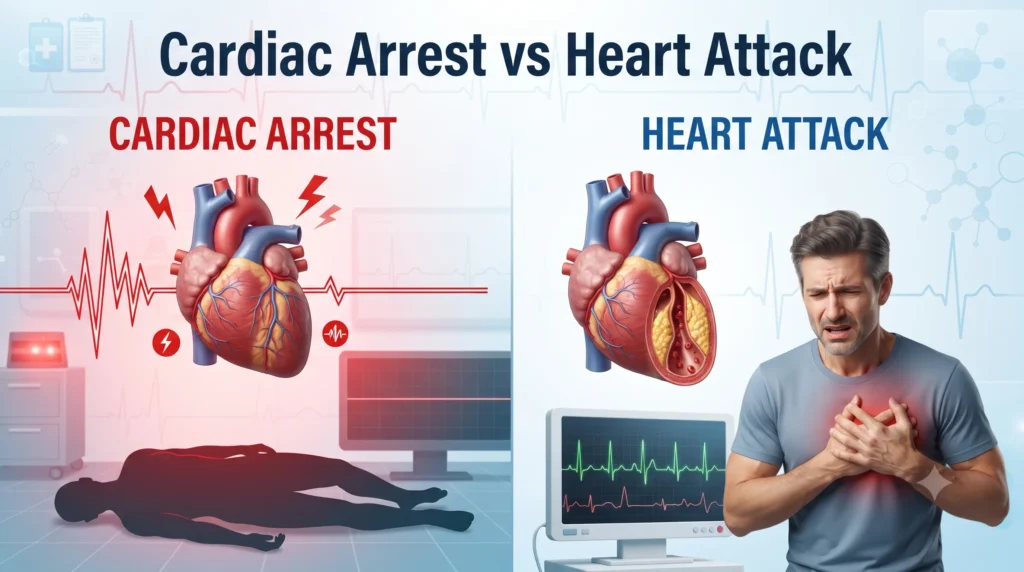
What is the Difference Between Cardiac Arrest and Heart Attack? Many people use the terms heart attack and cardiac arrest...
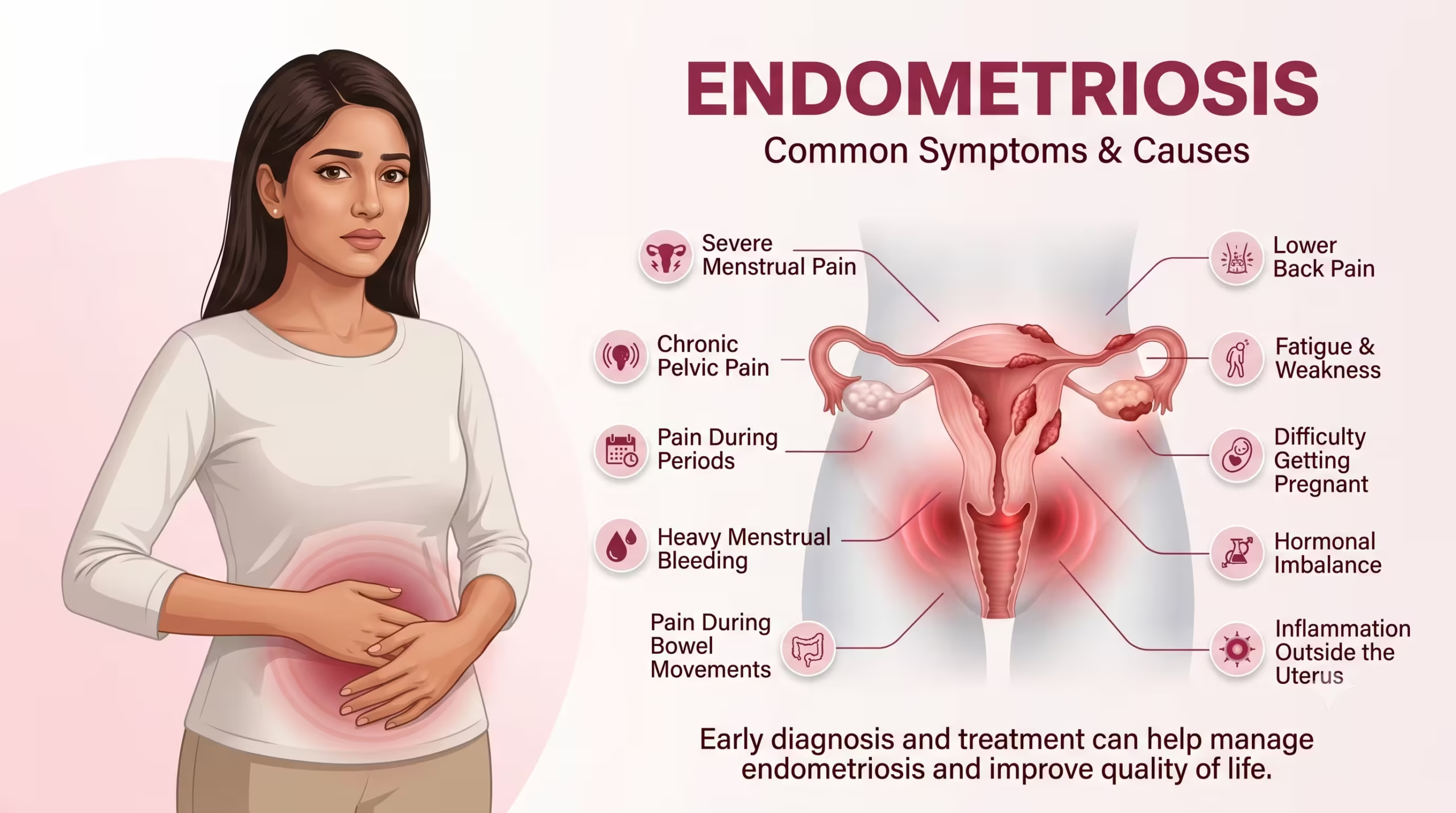
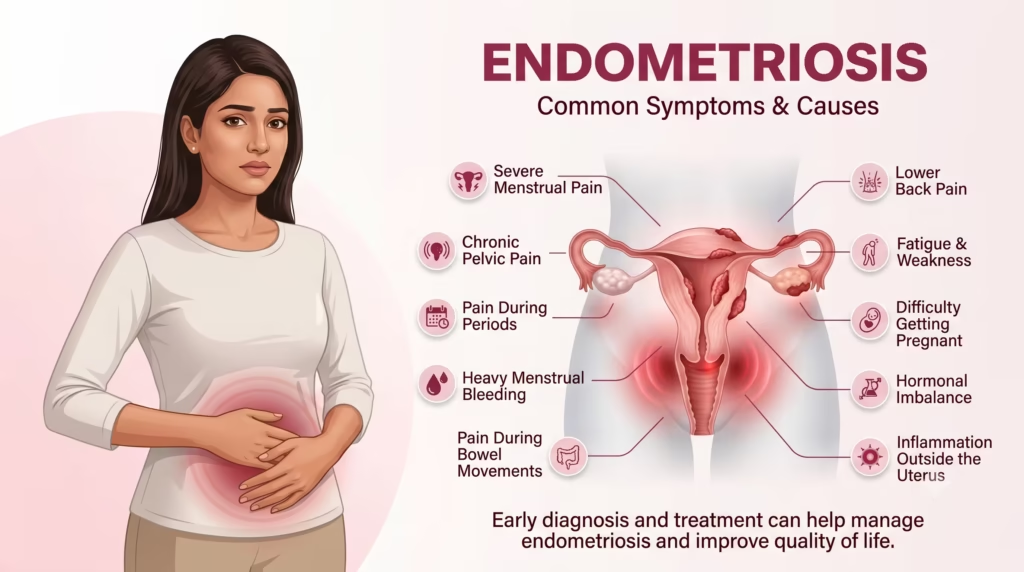
What is Endometriosis? Endometriosis is a common yet often misunderstood gynecological condition in which tissue similar to the inner lining...
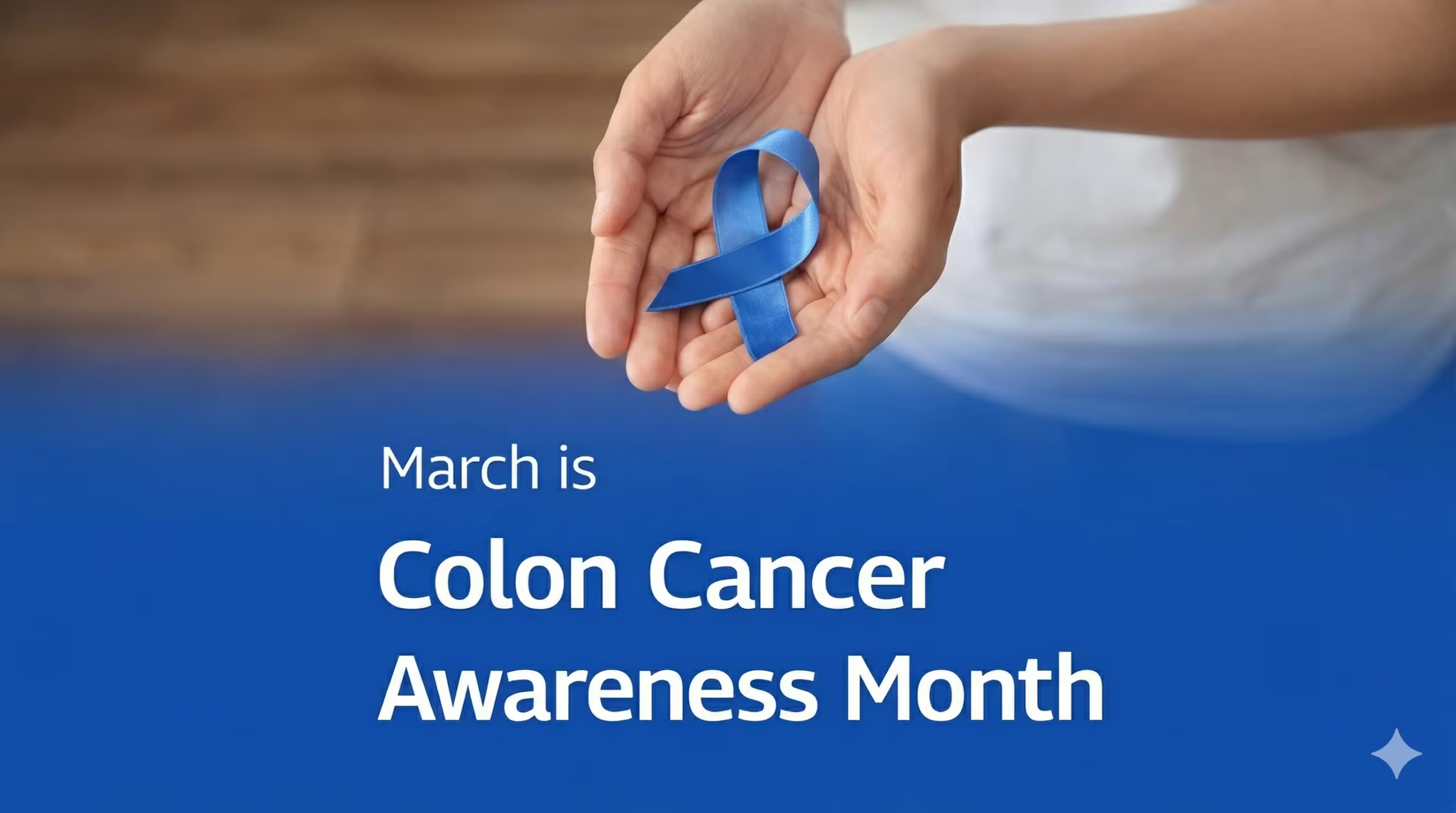
What is colorectal cancer? Colorectal cancer is a kind of cancer that grows in the colon or rectum. It usually...
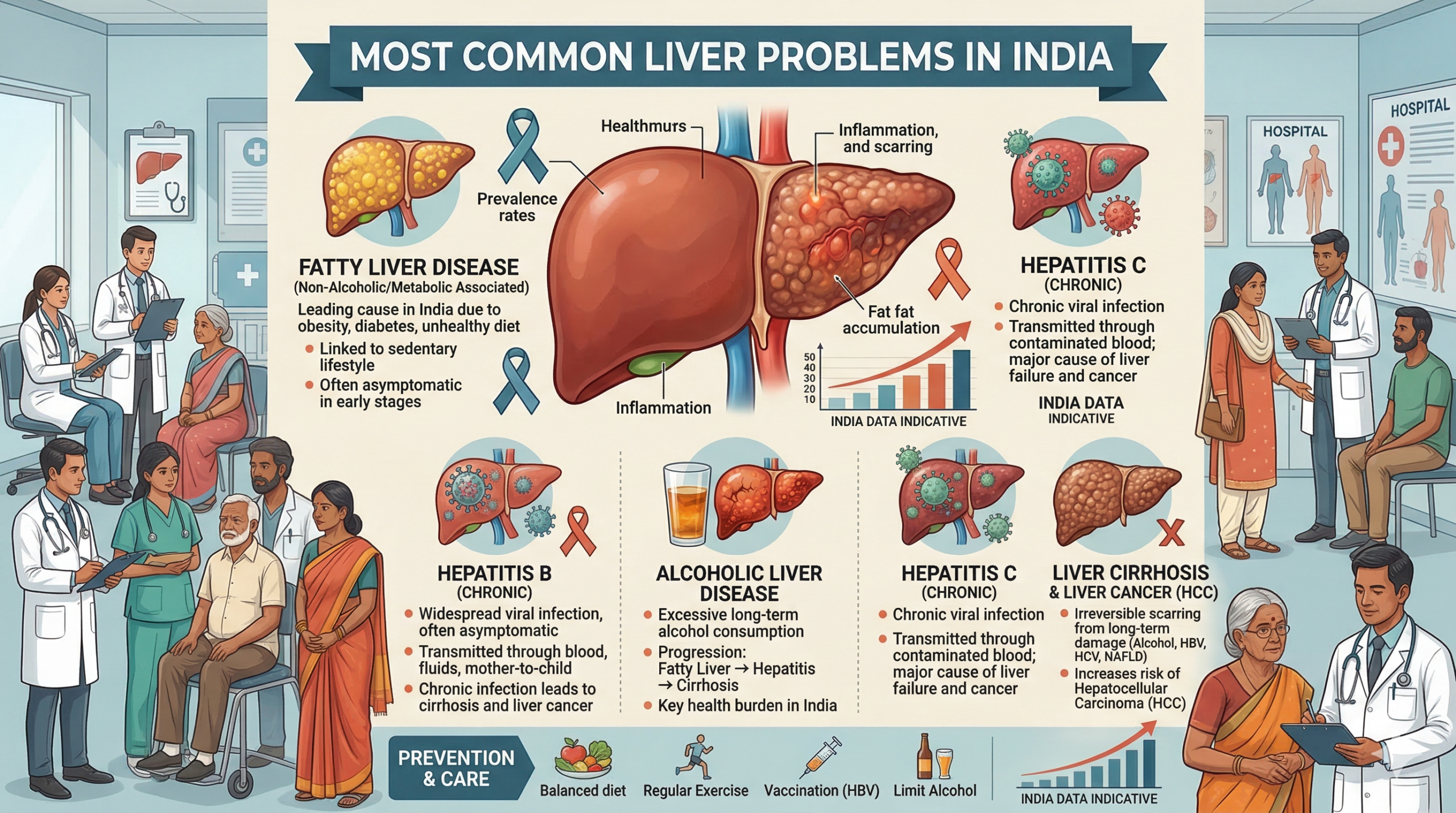
Most Common Liver Disease in India & Ignored Symptoms The liver plays a crucial role in keeping your body healthy—helping...
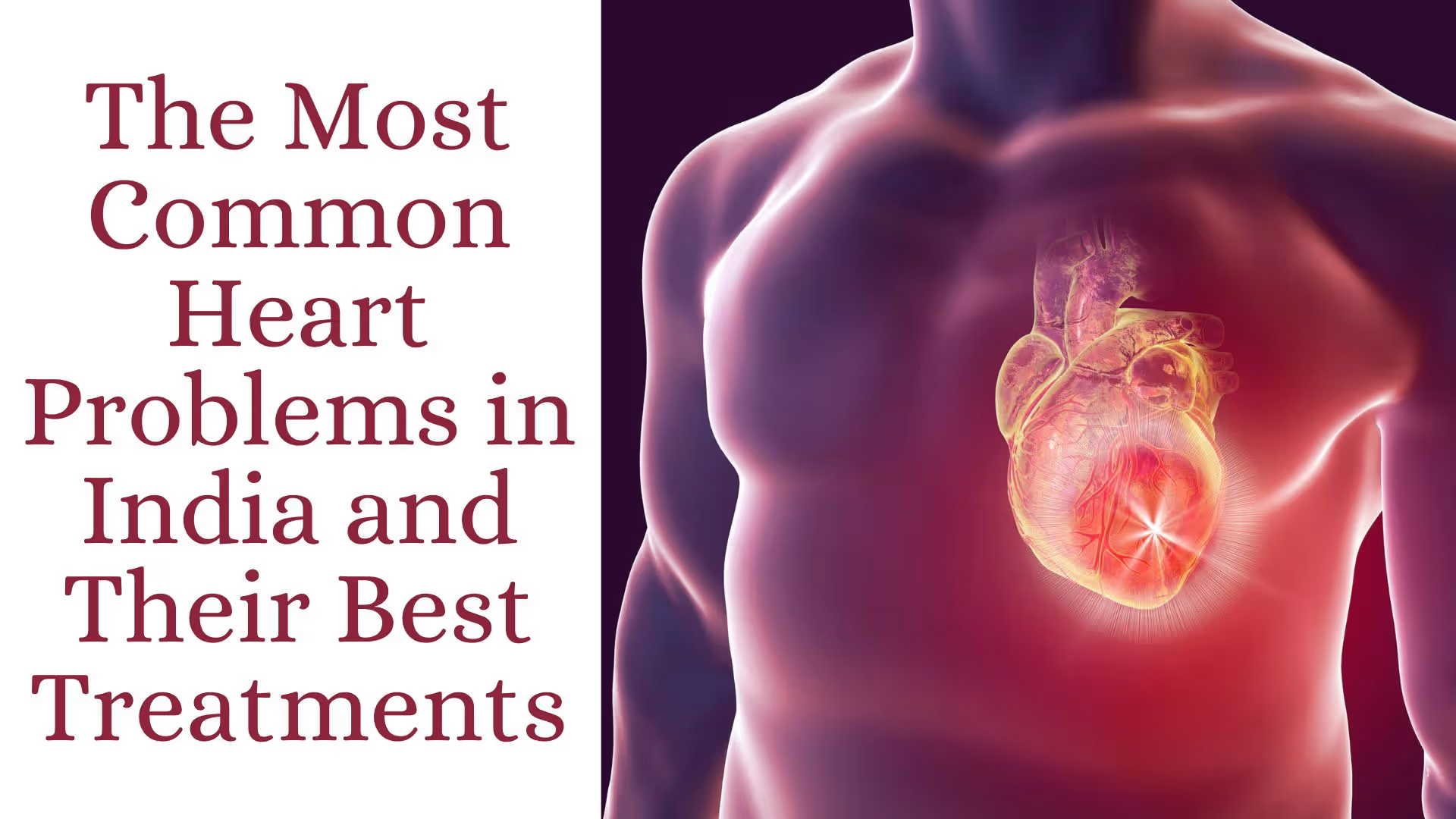
Heart Disease in India: A Serious Health Challenge We recognize that heart diseases have become one of the leading causes...
At Apple Hospital, we believe that awareness, early diagnosis, and advanced medical care play a vital role in improving cancer...
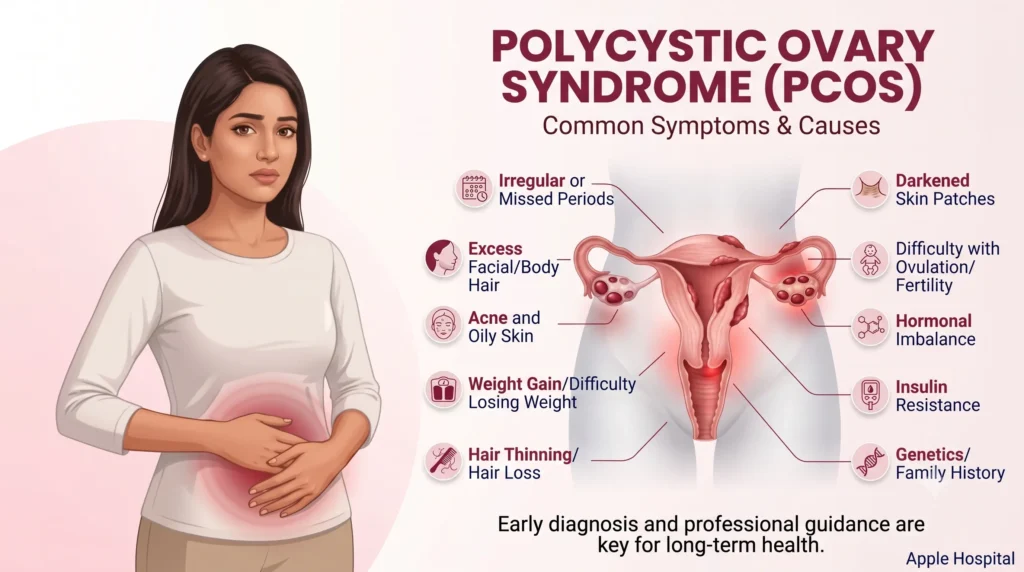
What is PCOS? Polycystic Ovary Syndrome (PCOS) is one of the most common hormonal and metabolic disorders affecting women of reproductive age. It occurs when there is an imbalance in reproductive hormones, which can affect the ovaries, menstrual cycle, ovulation, metabolism, skin, hair, and fertility. In PCOS, the ovaries may not release eggs regularly (ovulation), leading to irregular menstrual cycles. Some women may also develop multiple small fluid-filled follicles in their ovaries, although not every woman with PCOS has ovarian cysts. PCOS is a lifelong condition, but with early diagnosis, lifestyle modifications, and appropriate medical treatment, most women can successfully manage their symptoms and lead healthy lives. Why is PCOS Awareness Is Important? PCOS is far more common than many people realize. According to international health organizations: Approximately 10–13% of women of reproductive age are affected by PCOS. Up to 70% of women remain undiagnosed, often because they assume their symptoms are “normal” or simply related to stress or weight gain. Many women ignore the early warning signs for years, delaying diagnosis and increasing the risk of future health complications. Is PCOS Dangerous? PCOS is not a life-threatening disease, but it should never be ignored. If left untreated, PCOS can increase the risk of: Infertility or difficulty conceiving Type 2 Diabetes Insulin Resistance High Blood Pressure High Cholesterol Obesity Sleep Apnea Anxiety and Depression Endometrial (Uterine) Problems Early diagnosis and regular follow-up can significantly reduce these risks. Common Symptoms of PCOS The symptoms of PCOS vary from woman to woman. Some women may experience only a few symptoms, while others may have several. Common Signs & Symptoms Include: Irregular or missed periods Heavy menstrual bleeding Difficulty getting pregnant Acne or oily skin Excess facial or body hair (Hirsutism) Hair thinning or hair loss Weight gain Difficulty losing weight Dark patches on the neck, underarms, or groin (Acanthosis Nigricans) Mood changes Fatigue What Causes PCOS? The exact cause of PCOS is still unknown, but several factors may contribute to its development. Hormonal Imbalance: An imbalance in reproductive hormones can interfere with normal ovulation and menstrual cycles. Insulin Resistance: Many women with PCOS have insulin resistance, causing the body to produce more insulin. High insulin levels can stimulate the ovaries to produce excess male hormones (androgens). Genetics: PCOS often runs in families. If your mother or sister has PCOS, your risk may be higher. Increased Androgen Levels: Higher-than-normal androgen levels can lead to acne, excessive facial hair, and irregular ovulation. Lifestyle & Environmental Factors: Being overweight, physical inactivity, poor dietary habits, and chronic stress may worsen PCOS symptoms in genetically susceptible women. Can PCOS Be Prevented? There is currently no guaranteed way to prevent PCOS, especially when genetics play a role. However, healthy lifestyle habits can help reduce symptoms and lower the risk of complications. Healthy Lifestyle Tips Maintain a healthy body weight Exercise regularly Eat a balanced diet rich in vegetables, fruits, whole grains, and lean proteins Reduce processed foods and sugary beverages Get adequate sleep Manage stress effectively Schedule regular gynecological check-ups Seek medical advice if menstrual cycles become irregular When Should You Consult a Gynecologist? You should consult a gynecologist if you experience: Irregular or absent periods Heavy menstrual bleeding Persistent acne that doesn’t improve Excess facial or body hair Sudden weight gain or difficulty losing weight Hair thinning or excessive hair fall Difficulty getting pregnant Symptoms lasting for several months A family history of PCOS Do not ignore persistent symptoms. Early evaluation can help prevent future complications. Conclusion PCOS is one of the most common yet frequently undiagnosed hormonal disorders affecting women. While it cannot always be prevented, it can be effectively managed with early diagnosis, healthy lifestyle changes, and appropriate medical care. This PCOS Awareness Month, remember that your body often gives subtle warning signs before more serious complications develop. Irregular periods, acne, unexplained weight gain, or excessive facial hair should never be ignored. The earlier you seek medical advice, the better your chances of managing symptoms, protecting your fertility, and improving your long-term health. Listen to your body. Don’t wait for symptoms to become severe—consult your gynecologist if you notice persistent changes. Frequently Asked Questions (FAQs) About PCOS Question 1: What is PCOS? Answer: PCOS (Polycystic Ovary Syndrome) is a hormonal and metabolic disorder that affects ovulation, menstrual cycles, fertility, hormones, and overall health in women of reproductive age. Question 2: What are the early signs of PCOS? Answer: Early signs include irregular periods, acne, weight gain, difficulty losing weight, excess facial hair, hair thinning, and difficulty conceiving. Question 3: What causes PCOS? Answer: The exact cause is unknown, but genetics, insulin resistance, hormonal imbalance, increased androgen levels, and lifestyle factors are believed to contribute. Question 4: Can PCOS be cured permanently? Answer: There is currently no permanent cure for PCOS. However, symptoms can be effectively managed through lifestyle modifications, medications, and regular medical care. Question 5: Can women with PCOS become pregnant? Answer: Yes. Many women with PCOS conceive naturally, while others may require fertility treatment. Early diagnosis and treatment significantly improve fertility outcomes. Question 6: Does every woman with irregular periods have PCOS? Answer: No. Irregular periods can occur due to stress, thyroid disorders, hormonal changes, excessive exercise, or other medical conditions. A proper evaluation is necessary to determine the cause. Question 7: How is PCOS diagnosed? Answer: Doctors diagnose PCOS based on medical history, menstrual symptoms, physical examination, blood tests to assess hormone levels, and pelvic ultrasound when appropriate. Question 8: Can lifestyle changes help manage PCOS? Answer: Yes. Regular exercise, a balanced diet, maintaining a healthy weight, adequate sleep, and stress management play an important role in controlling PCOS symptoms. Question 9: Is PCOS common? Answer: Yes. PCOS affects approximately 10–13% of women of reproductive age worldwide, making it one of the most common endocrine disorders in women. Question 10: Why is early diagnosis of PCOS important? Answer: Early diagnosis helps manage symptoms, improves fertility, regulates menstrual cycles, reduces the risk of diabetes and cardiovascular disease, and enhances overall quality of
What is the Difference Between Cardiac Arrest and Heart Attack? Many people use the terms heart attack and cardiac arrest interchangeably, but they are not the same condition. While both are serious medical emergencies involving the heart, they differ in their causes, symptoms, treatment, and outcomes. A heart attack occurs when blood flow to the heart muscle is blocked, while cardiac arrest happens when the heart suddenly stops beating effectively due to an electrical malfunction. Understanding the difference can help you recognize the warning signs and seek timely medical care, potentially saving a life. What is a heart attack? A heart attack, also known as myocardial infarction (MI), occurs when one or more of the coronary arteries become partially or completely blocked. This blockage prevents oxygen-rich blood from reaching a portion of the heart muscle. Without adequate blood supply, the affected heart muscle begins to die. The longer the blockage remains untreated, the greater the damage to the heart. Common Causes of Heart Attack Coronary artery disease (atherosclerosis) Blood clot blocking a coronary artery High cholesterol High blood pressure Diabetes Smoking and tobacco use Obesity Physical inactivity Excessive stress Family history of heart disease Symptoms of a Heart Attack Heart attack symptoms often develop gradually over several minutes or hours, although they can also occur suddenly. Common Symptoms Chest pain or pressure (often described as squeezing, tightness, or heaviness) Pain spreading to the left arm, right arm, shoulders, neck, jaw, or back Shortness of breath Cold sweat Nausea or vomiting Dizziness or lightheadedness Extreme fatigue Indigestion-like discomfort Symptoms in Women Women may experience less typical symptoms, including the following: Unusual fatigue Shortness of breath Nausea Pain in the upper back, neck, or jaw Mild chest discomfort rather than severe pain What is Cardiac Arrest? Cardiac arrest is a sudden loss of heart function caused by an electrical problem that disrupts the heart’s normal rhythm. As a result, the heart stops pumping blood to the brain and other vital organs. Within seconds, the person loses consciousness and stops breathing normally. Without immediate treatment, cardiac arrest can lead to death within minutes. Common Causes of Cardiac Arrest Cardiac arrest may occur due to: Ventricular fibrillation (VF) Ventricular tachycardia (VT) Previous heart attack Heart failure Cardiomyopathy Congenital heart defects Severe electrolyte imbalance Drug overdose Electrocution Severe trauma Drowning Symptoms of Cardiac Arrest Cardiac arrest usually occurs suddenly and without warning. Immediate Symptoms Sudden collapse Loss of consciousness No pulse No breathing or only gasping Unresponsiveness Warning Signs Before Cardiac Arrest Some people may experience: Chest pain Palpitations Shortness of breath Dizziness Fainting episodes Treatment for Cardiac Arrest Cardiac arrest requires immediate emergency treatment. Emergency Care Call emergency medical services immediately. Start Cardiopulmonary Resuscitation (CPR) without delay. Use an Automated External Defibrillator (AED) as soon as one is available. Hospital Treatment Advanced Cardiac Life Support (ACLS) Defibrillation Medications to restore heart rhythm Mechanical ventilation Implantable Cardioverter Defibrillator (ICD) for selected patients Treatment of the underlying cause How Can You Prevent Heart Attack and Cardiac Arrest? You can reduce your risk by: Eating a heart-healthy diet rich in fruits, vegetables, whole grains, and lean proteins Exercising for at least 150 minutes per week Maintaining a healthy body weight Quitting smoking and avoiding tobacco products Limiting alcohol consumption Managing stress effectively Controlling blood pressure, cholesterol, and diabetes Taking prescribed medications as directed Undergoing regular health check-ups, especially if you have risk factors When Should You Seek Emergency Medical Help? Call emergency medical services immediately if you or someone else experiences: Chest pain lasting more than a few minutes Pain spreading to the arm, jaw, neck, shoulder, or back Sudden collapse Difficulty breathing Loss of consciousness No pulse or no normal breathing Prompt medical attention can significantly improve survival and reduce complications. Conclusion Although heart attack and cardiac arrest both involve the heart, they are different medical emergencies. A heart attack is caused by a blockage that reduces blood flow to the heart muscle, whereas cardiac arrest is caused by an electrical malfunction that stops the heart from pumping blood effectively. Recognizing the symptoms, seeking immediate medical care, and knowing basic CPR can make a life-saving difference. Adopting a heart-healthy lifestyle and managing risk factors are essential steps in preventing both conditions. Frequently Asked Questions (FAQs) 1. Is a heart attack the same as cardiac arrest? No. A heart attack is caused by blocked blood flow to the heart, while cardiac arrest is a sudden loss of heart function due to an electrical problem. 2. Can someone survive cardiac arrest? Yes, but survival depends on immediate CPR, early defibrillation with an AED, and prompt advanced medical care. 3. Does every heart attack lead to cardiac arrest? No. Most heart attacks do not progress to cardiac arrest, although a severe heart attack can trigger it. 4. Which is more dangerous: a heart attack or cardiac arrest? Both are medical emergencies, but cardiac arrest is immediately life-threatening because the heart stops pumping blood. Without prompt treatment, it can be fatal within minutes. 5.Can a Heart Attack Cause Cardiac Arrest? Yes, A severe heart attack can disrupt the heart’s electrical system and trigger cardiac arrest. However, not every heart attack leads to cardiac arrest, and cardiac arrest can also occur without a heart attack. Call emergency medical services immediately, begin CPR, and use an AED if one is available until professional help arrives.
What is Endometriosis? Endometriosis is a common yet often misunderstood gynecological condition in which tissue similar to the inner lining of the uterus (endometrium) starts growing outside the uterus. This abnormal tissue growth can occur on the ovaries, fallopian tubes, pelvic lining, and even other organs. Just like the uterine lining, this tissue thickens, breaks down, and bleeds during each menstrual cycle. However, unlike normal menstrual blood, it has no way to exit the body, leading to inflammation, pain, and sometimes scar tissue (adhesions). Is Endometriosis Cancer? No, endometriosis is not cancer. It is a benign (non-cancerous) condition, but it can behave in ways similar to cancer, such as spreading to nearby tissues. In rare cases, long-standing endometriosis may slightly increase the risk of certain types of ovarian cancer, but this is uncommon. Most women with endometriosis do not develop cancer and can manage the condition effectively with proper medical care. Common Symptoms of Endometriosis The Common Symptomps of Endometriosis are : Severe menstrual cramps (dysmenorrhea) Chronic pelvic pain Pain during or after intercourse Heavy or irregular periods Infertility or difficulty conceiving Pain during urination or bowel movements (especially during periods) What Causes Endometriosis? The exact cause of endometriosis is not fully known, but several factors may contribute: Retrograde Menstruation: Menstrual blood flows backward through the fallopian tubes into the pelvic cavity instead of leaving the body. Genetic Factors : Women with a family history of endometriosis are at higher risk. Hormonal Imbalance: High levels of estrogen can promote the growth of endometrial-like tissue. Immune System Disorders : A weakened immune system may fail to identify and destroy abnormal tissue. Surgical Procedures: Procedures like C-sections or hysterectomy may accidentally transfer endometrial cells outside the uterus. Can Endometriosis Be Prevented? There is no guaranteed way to completely prevent endometriosis, but certain lifestyle choices may help reduce the risk or severity: Maintain Hormonal Balance – Regular exercise and a healthy diet rich in fruits, vegetables, and omega-3 fatty acids. Manage Estrogen Levels – Avoid excessive alcohol and caffeine, and maintain a healthy body weight. Regular Gynecological Check-ups – Early diagnosis can help manage symptoms effectively and prevent complications. Timely Treatment – If you experience severe period pain or irregular symptoms, consult a gynecologist early. When to Consult a Doctor? You should consult a gynecologist if you experience: Severe or worsening menstrual pain that interferes with daily activities Chronic pelvic pain or lower abdominal discomfort Pain during or after intercourse Heavy, irregular, or prolonged menstrual bleeding Difficulty in conceiving (infertility concerns) Pain during urination or bowel movements, especially during periods Symptoms that do not improve with over-the-counter medications. Conclusion Endometriosis is a common yet often underdiagnosed condition that can significantly impact a woman’s physical and emotional well-being. While it is not life-threatening or cancerous, its symptoms—especially chronic pain and fertility challenges—can affect daily life if ignored. The key to managing endometriosis lies in early recognition, timely diagnosis, and appropriate treatment. With the right medical care, lifestyle changes, and regular follow-ups, most women can effectively manage their symptoms and lead a healthy, fulfilling life. Raising awareness and encouraging women to speak openly about menstrual health plays a crucial role in early detection and better outcomes. Frequently Asked Questions (FAQs) About Endometriosis Question 1: What is the main cause of endometriosis? Answer: The exact cause is unknown, but factors like retrograde menstruation, hormonal imbalance, genetics, and immune system issues may contribute to its development. Question 2: What are the early signs of endometriosis? Answer: Early signs include painful periods, pelvic pain, heavy bleeding, pain during intercourse, and difficulty getting pregnant. Question 3: Can endometriosis go away on its own? Answer: Endometriosis usually does not go away on its own. However, symptoms may improve with treatment or after menopause. Question 4: Is endometriosis a serious condition? Answer: While it is not life-threatening, endometriosis can significantly affect quality of life due to chronic pain and fertility issues if left untreated. Question 5 : Can endometriosis cause infertility? Answer: Yes, endometriosis can affect fertility by damaging reproductive organs or causing inflammation, making it harder to conceive. Question 6 : How is endometriosis diagnosed? Answer: Doctors may use pelvic exams, ultrasound, MRI, and sometimes laparoscopy (a minor surgical procedure) for accurate diagnosis. Question 7 : What are the treatment options for endometriosis? Answer: Treatment may include pain medications, hormonal therapy, and in some cases, surgery depending on the severity. Question 8: Can lifestyle changes help manage endometriosis? Answer: Yes, regular exercise, a healthy diet, stress management, and maintaining a healthy weight can help reduce symptoms. Question 9 : Is endometriosis common? Answer: Yes, it affects approximately 1 in 10 women of reproductive age worldwide. Question 10 : Can endometriosis turn into cancer? Answer: Endometriosis is not cancer. In rare cases, it may slightly increase the risk of ovarian cancer, but most women do not develop cancer.
Frequently Asked Questions (FAQs) - Apple Hospital 24×7 Emergency Trauma Care
Yes. Our Emergency Trauma Department operates 24 hours a day, 7 days a week, including weekends and public holidays.
Yes. We offer fully equipped 24×7 ambulance services for emergency transportation.
We manage road traffic accidents, fractures, head injuries, burns, spinal injuries, chest trauma, abdominal trauma, multiple injuries and other medical emergencies.