
Apple Hospital Indore: Trusted Dermatology & Skin Care Hospital
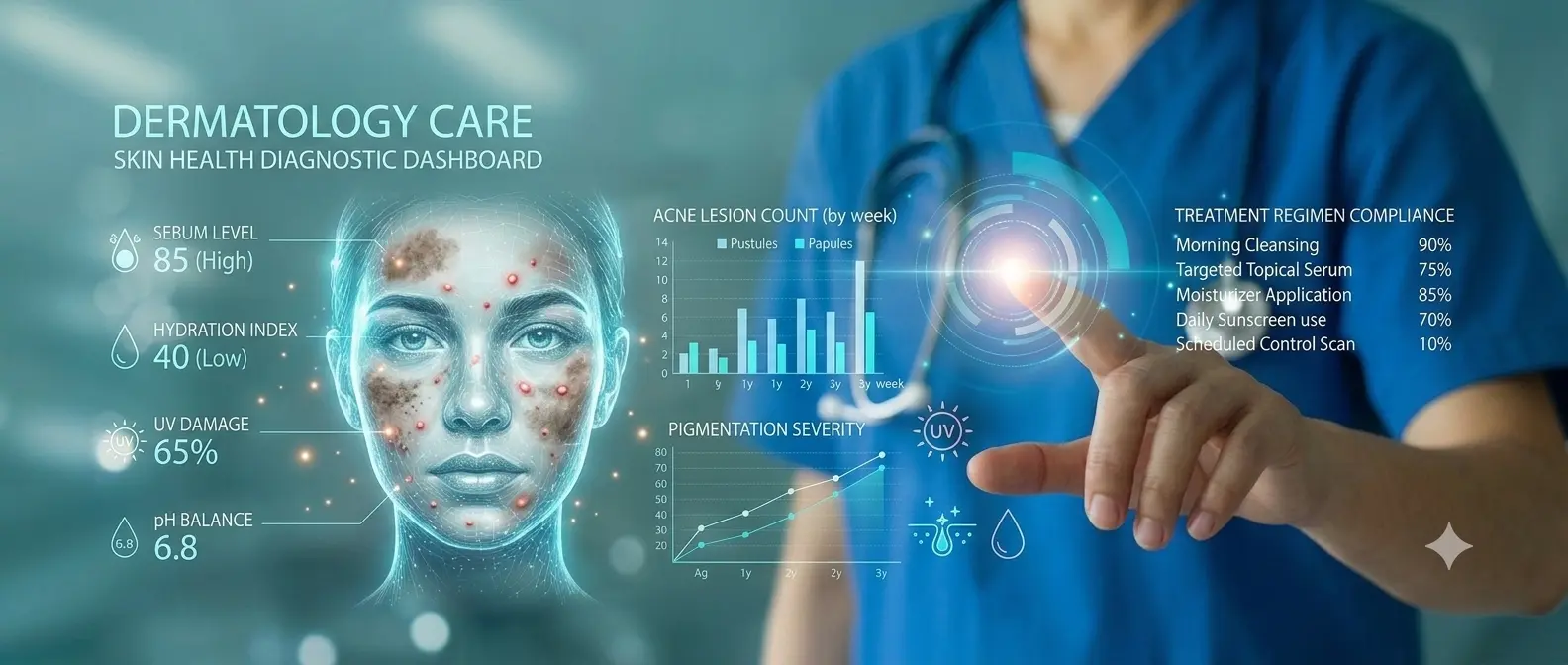
Apple Hospital is trusted as one of the Best Dermatology & Skin Care Hospitals in Indore because of its experienced dermatologists, advanced diagnostic technology, and patient-centered approach.At Apple Hospital Indore, we provide comprehensive Dermatology and Skin Care services for patients of all ages. Our experienced dermatologists specialize in the diagnosis, treatment, and prevention of skin, hair, and nail disorders using advanced technology and evidence-based medical practices. From common skin conditions to complex dermatological concerns, we are committed to delivering personalized care that promotes healthy skin and long-term wellness.
Apple Hospital Indore: Trusted Dermatology & Skin Care Hospitall
Apple Hospital is trusted as one of the Best Dermatology & Skin Care Hospitals in Indore because of its experienced dermatologists, advanced diagnostic technology, and patient-centered approach.At Apple Hospital Indore, we provide comprehensive Dermatology and Skin Care services for patients of all ages. Our experienced dermatologists specialize in the diagnosis, treatment, and prevention of skin, hair, and nail disorders using advanced technology and evidence-based medical practices. From common skin conditions to complex dermatological concerns, we are committed to delivering personalized care that promotes healthy skin and long-term wellness.
Main Dermatology Services
What We Treat
Acne & Acne Scar Treatment
We provide advanced treatment for acne, acne scars, and recurrent breakouts using medical therapies, chemical peels, and minimally invasive procedures to restore healthy, clear skin.
Eczema & Psoriasis Management
Our dermatology specialists diagnose and treat chronic inflammatory skin conditions such as eczema and psoriasis with personalized treatment plans that help reduce flare-ups and improve skin health.
Skin Allergy & Infection Treatment
We offer comprehensive care for skin allergies, fungal infections, bacterial infections, viral skin diseases, and other dermatological conditions with accurate diagnosis and effective treatment.

Hair Loss & Scalp Disorders
At Apple Hospital, our experts treat hair fall, dandruff, alopecia, scalp infections, and other hair-related concerns using advanced diagnostic methods and evidence-based therapies.

Pigmentation & Skin Rejuvenation
We provide treatment for pigmentation, melasma, dark spots, uneven skin tone, and signs of aging using safe, modern dermatological procedures.

Nail Disorders Treatment
Our dermatologists diagnose and manage fungal nail infections, ingrown nails, nail deformities, and other nail disorders to restore healthy nail growth.
Skin Cancer Screening & Mole Evaluation
We offer early detection and evaluation of suspicious moles, skin growths, and skin cancers to ensure timely diagnosis and appropriate treatment.
Cosmetic Dermatology Procedures
We provide non-surgical cosmetic dermatology treatments, including chemical peels, skin rejuvenation, scar management, anti-aging treatments, and other aesthetic skin care solutions.
Pediatric Dermatology
Specialized diagnosis and treatment of skin, hair, and nail disorders affecting infants, children, and adolescents with age-appropriate care.
Main Dermatology Services
What We Treat
Acne & Acne Scar Treatment
We provide advanced treatment for acne, acne scars, and recurrent breakouts using medical therapies, chemical peels, and minimally invasive procedures to restore healthy, clear skin.
Eczema & Psoriasis Management
Our dermatology specialists diagnose and treat chronic inflammatory skin conditions such as eczema and psoriasis with personalized treatment plans that help reduce flare-ups and improve skin health.
Skin Allergy & Infection Treatment
We offer comprehensive care for skin allergies, fungal infections, bacterial infections, viral skin diseases, and other dermatological conditions with accurate diagnosis and effective treatment.
Hair Loss & Scalp Disorders
Apple Hospital: Our experts treat hair fall, dandruff, alopecia, scalp infections, and other hair-related concerns using advanced diagnostic methods and evidence-based therapies.
Pigmentation & Skin Rejuvenation
We provide treatment for pigmentation, melasma, dark spots, uneven skin tone, and signs of aging using safe, modern dermatological procedures.
Cosmetic Dermatology Procedures
We provide non-surgical cosmetic dermatology treatments, including chemical peels, skin rejuvenation, scar management, anti-aging treatments, and other aesthetic skin care solutions.
Why Choose Apple Hospital for Dermatology Care?
Why Apple Hospital Stands Out
Apple Hospital is trusted as one of the Best Dermatology & Skin Care Hospitals in Indore because of its experienced dermatologists, advanced diagnostic technology, and patient-centered approach.
Our dermatology department combines modern medical treatments with personalized care to diagnose and manage a wide range of skin, hair, and nail conditions. We focus on accurate diagnosis, effective treatment, preventive skin care, and long-term follow-up, ensuring every patient receives safe, evidence-based, and compassionate dermatology services.
Why Choose Apple Hospital for Dermatology Care?
Why Apple Hospital Stands Out
Apple Hospital is trusted as one of the Best Dermatology & Skin Care Hospitals in Indore because of its experienced dermatologists, advanced diagnostic technology, and patient-centered approach.
Our dermatology department combines modern medical treatments with personalized care to diagnose and manage a wide range of skin, hair, and nail conditions. We focus on accurate diagnosis, effective treatment, preventive skin care, and long-term follow-up, ensuring every patient receives safe, evidence-based, and compassionate dermatology services.
Our Patients Testimonials
The biggest achievement for us is the smile of the patients and their trust. The story of every patient treated at Apple Hospital is a proof of our dedication and care. Whether it is an emergency or treatment of a serious disease, the positive experiences of our patients inspire us to continuously provide better service.
Our Blog Post
- All Posts
- Cardiac
- Gastroenterology
- Gynaecology
- Oncology
- Back
- oncology
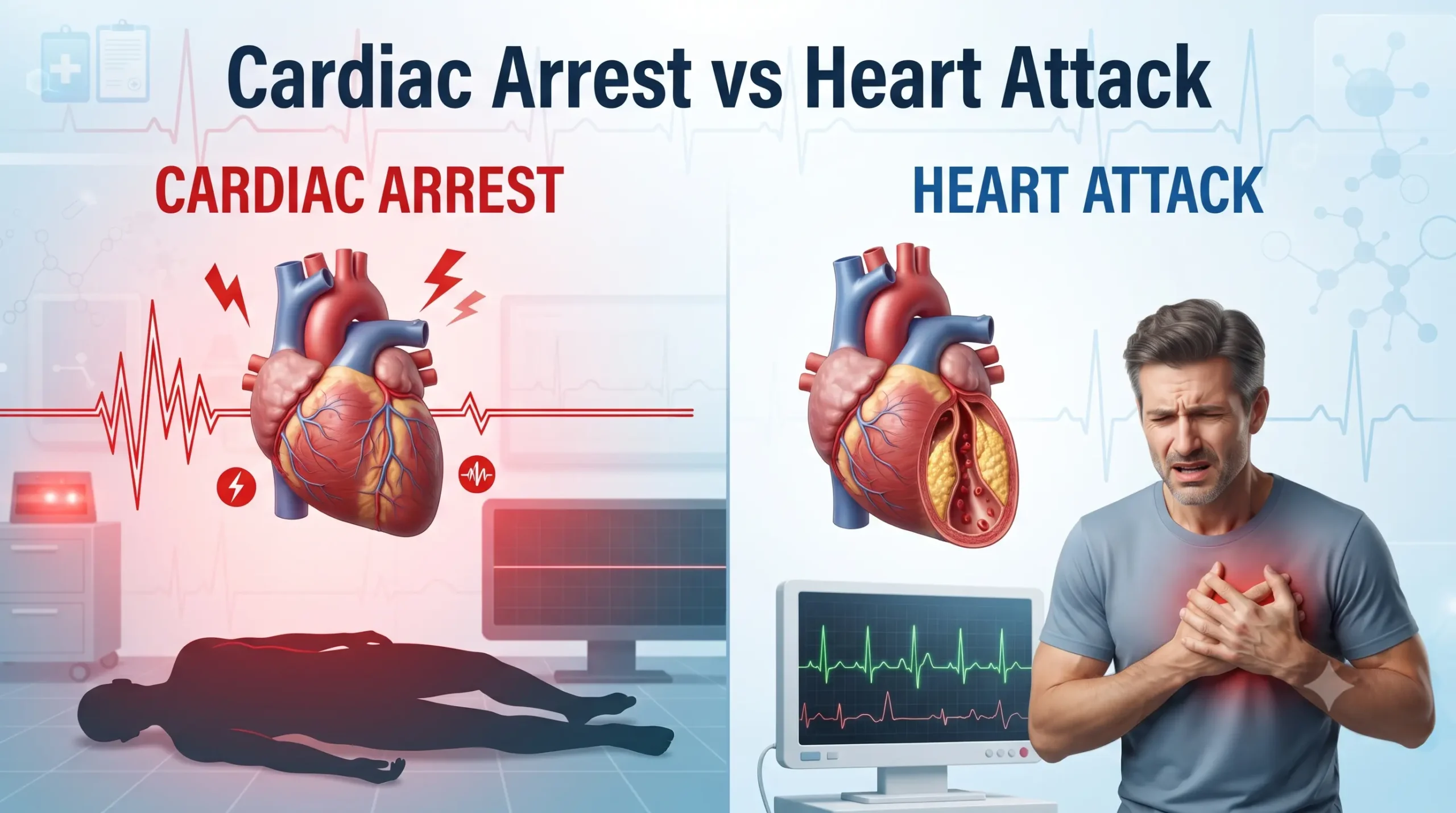
What is the Difference Between Cardiac Arrest and Heart Attack? Many people use the terms heart attack and cardiac arrest...
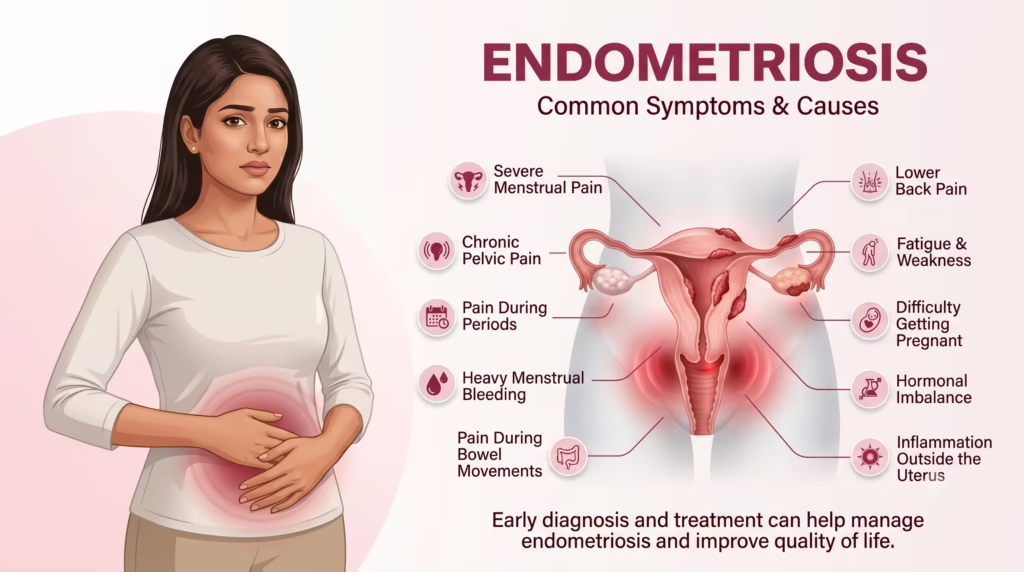
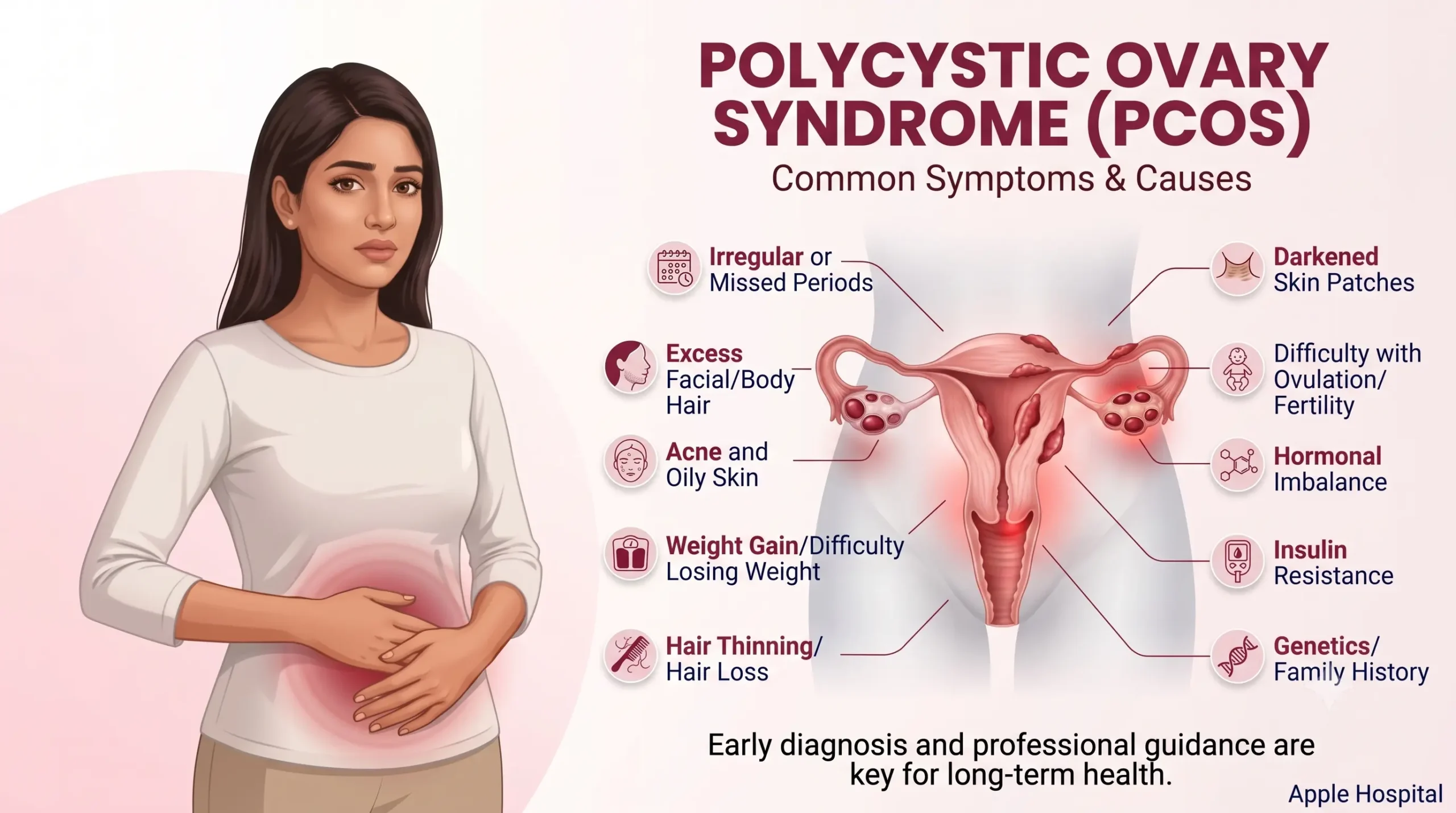
What is Endometriosis? Endometriosis is a common yet often misunderstood gynecological condition in which tissue similar to the inner lining...
What is colorectal cancer? Colorectal cancer is a kind of cancer that grows in the colon or rectum. It usually...
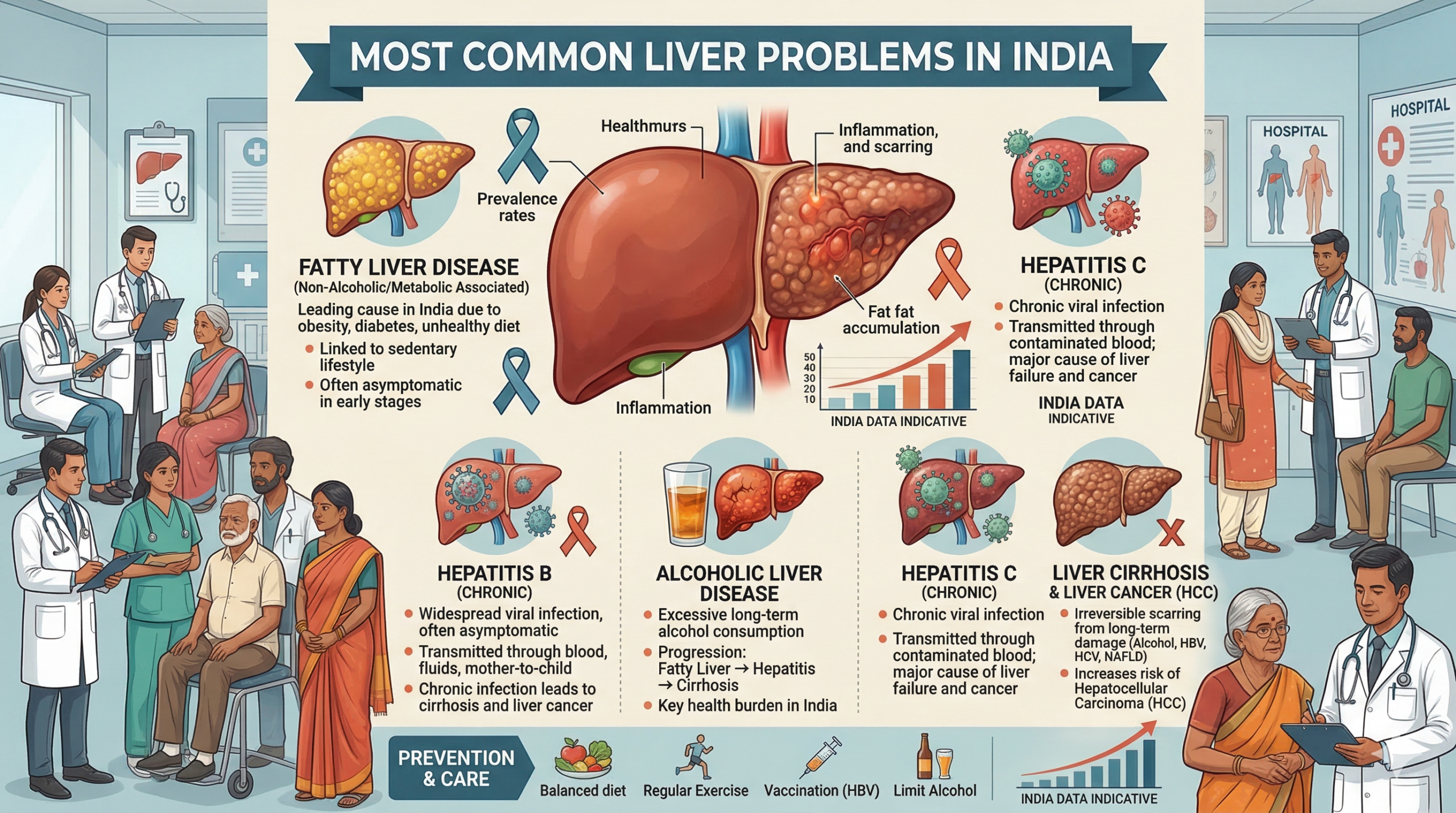
Most Common Liver Disease in India & Ignored Symptoms The liver plays a crucial role in keeping your body healthy—helping...
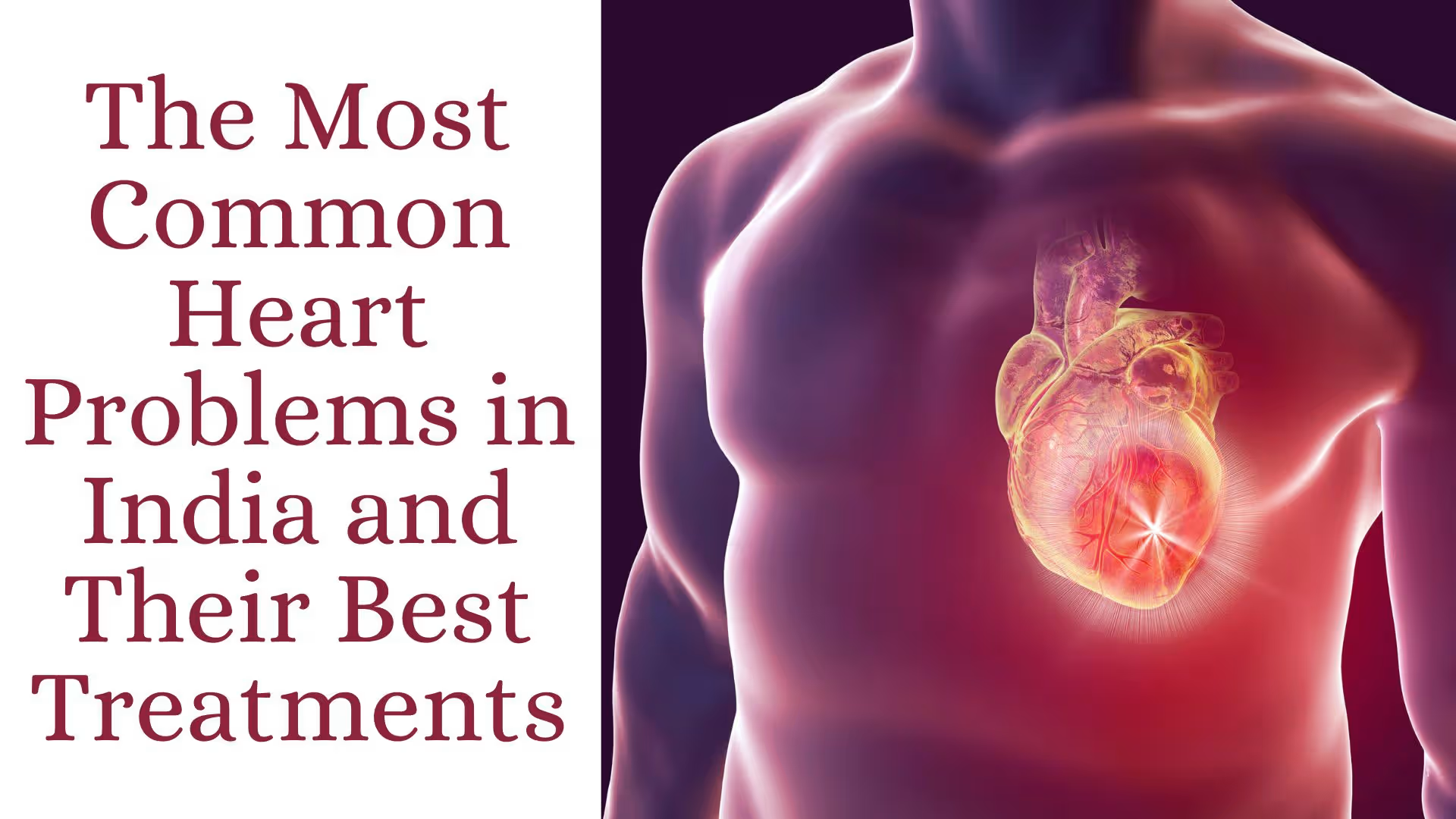
Heart Disease in India: A Serious Health Challenge We recognize that heart diseases have become one of the leading causes...
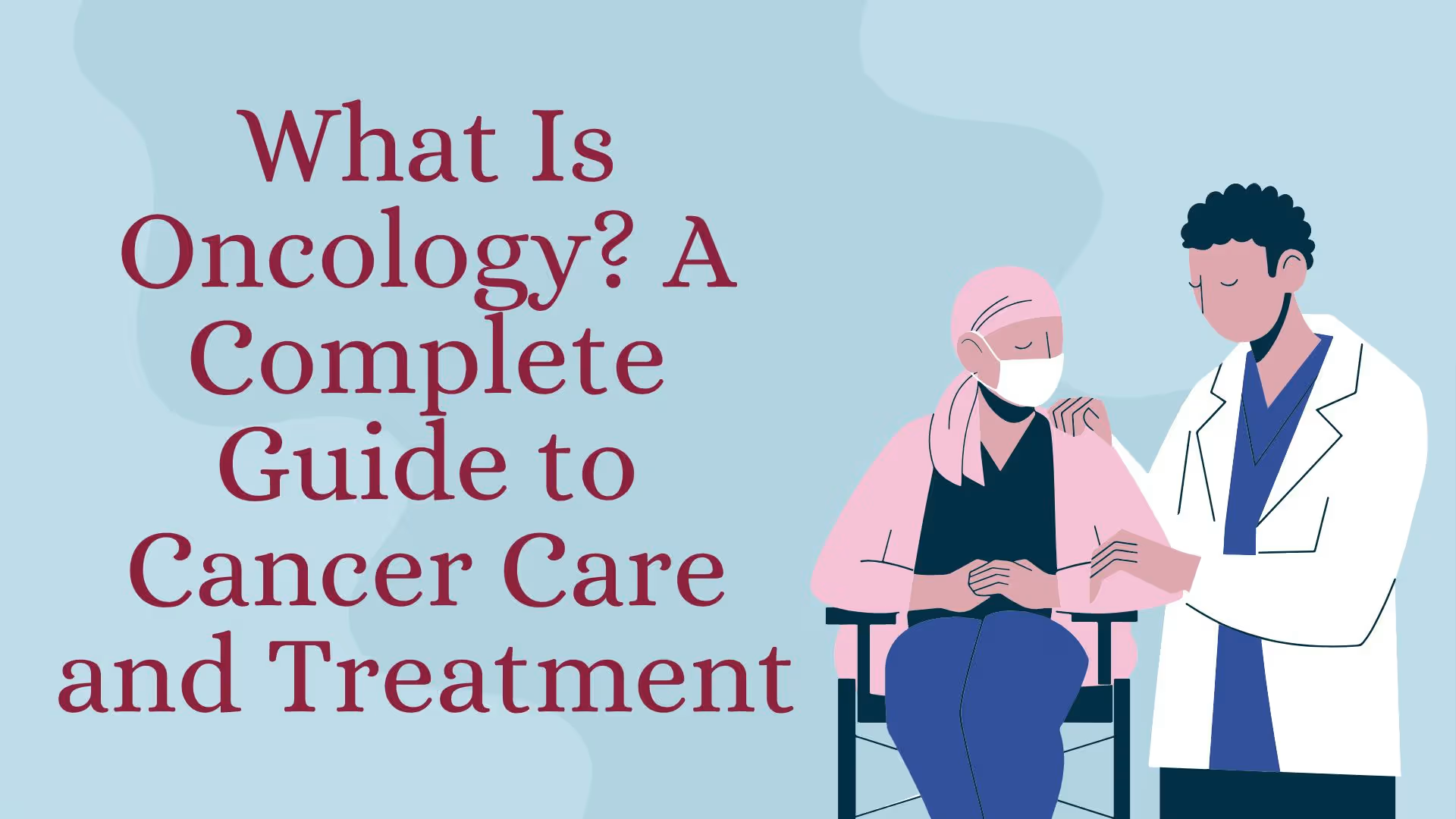
At Apple Hospital, we believe that awareness, early diagnosis, and advanced medical care play a vital role in improving cancer...
What is the Difference Between Cardiac Arrest and Heart Attack? Many people use the terms heart attack and cardiac arrest interchangeably, but they are not the same condition. While both are serious medical emergencies involving the heart, they differ in their causes, symptoms, treatment, and outcomes. A heart attack occurs when blood flow to the heart muscle is blocked, while cardiac arrest happens when the heart suddenly stops beating effectively due to an electrical malfunction. Understanding the difference can help you recognize the warning signs and seek timely medical care, potentially saving a life. What is a heart attack? A heart attack, also known as myocardial infarction (MI), occurs when one or more of the coronary arteries become partially or completely blocked. This blockage prevents oxygen-rich blood from reaching a portion of the heart muscle. Without adequate blood supply, the affected heart muscle begins to die. The longer the blockage remains untreated, the greater the damage to the heart. Common Causes of Heart Attack Coronary artery disease (atherosclerosis) Blood clot blocking a coronary artery High cholesterol High blood pressure Diabetes Smoking and tobacco use Obesity Physical inactivity Excessive stress Family history of heart disease Symptoms of a Heart Attack Heart attack symptoms often develop gradually over several minutes or hours, although they can also occur suddenly. Common Symptoms Chest pain or pressure (often described as squeezing, tightness, or heaviness) Pain spreading to the left arm, right arm, shoulders, neck, jaw, or back Shortness of breath Cold sweat Nausea or vomiting Dizziness or lightheadedness Extreme fatigue Indigestion-like discomfort Symptoms in Women Women may experience less typical symptoms, including the following: Unusual fatigue Shortness of breath Nausea Pain in the upper back, neck, or jaw Mild chest discomfort rather than severe pain What is Cardiac Arrest? Cardiac arrest is a sudden loss of heart function caused by an electrical problem that disrupts the heart’s normal rhythm. As a result, the heart stops pumping blood to the brain and other vital organs. Within seconds, the person loses consciousness and stops breathing normally. Without immediate treatment, cardiac arrest can lead to death within minutes. Common Causes of Cardiac Arrest Cardiac arrest may occur due to: Ventricular fibrillation (VF) Ventricular tachycardia (VT) Previous heart attack Heart failure Cardiomyopathy Congenital heart defects Severe electrolyte imbalance Drug overdose Electrocution Severe trauma Drowning Symptoms of Cardiac Arrest Cardiac arrest usually occurs suddenly and without warning. Immediate Symptoms Sudden collapse Loss of consciousness No pulse No breathing or only gasping Unresponsiveness Warning Signs Before Cardiac Arrest Some people may experience: Chest pain Palpitations Shortness of breath Dizziness Fainting episodes Treatment for Cardiac Arrest Cardiac arrest requires immediate emergency treatment. Emergency Care Call emergency medical services immediately. Start Cardiopulmonary Resuscitation (CPR) without delay. Use an Automated External Defibrillator (AED) as soon as one is available. Hospital Treatment Advanced Cardiac Life Support (ACLS) Defibrillation Medications to restore heart rhythm Mechanical ventilation Implantable Cardioverter Defibrillator (ICD) for selected patients Treatment of the underlying cause How Can You Prevent Heart Attack and Cardiac Arrest? You can reduce your risk by: Eating a heart-healthy diet rich in fruits, vegetables, whole grains, and lean proteins Exercising for at least 150 minutes per week Maintaining a healthy body weight Quitting smoking and avoiding tobacco products Limiting alcohol consumption Managing stress effectively Controlling blood pressure, cholesterol, and diabetes Taking prescribed medications as directed Undergoing regular health check-ups, especially if you have risk factors When Should You Seek Emergency Medical Help? Call emergency medical services immediately if you or someone else experiences: Chest pain lasting more than a few minutes Pain spreading to the arm, jaw, neck, shoulder, or back Sudden collapse Difficulty breathing Loss of consciousness No pulse or no normal breathing Prompt medical attention can significantly improve survival and reduce complications. Conclusion Although heart attack and cardiac arrest both involve the heart, they are different medical emergencies. A heart attack is caused by a blockage that reduces blood flow to the heart muscle, whereas cardiac arrest is caused by an electrical malfunction that stops the heart from pumping blood effectively. Recognizing the symptoms, seeking immediate medical care, and knowing basic CPR can make a life-saving difference. Adopting a heart-healthy lifestyle and managing risk factors are essential steps in preventing both conditions. Frequently Asked Questions (FAQs) 1. Is a heart attack the same as cardiac arrest? No. A heart attack is caused by blocked blood flow to the heart, while cardiac arrest is a sudden loss of heart function due to an electrical problem. 2. Can someone survive cardiac arrest? Yes, but survival depends on immediate CPR, early defibrillation with an AED, and prompt advanced medical care. 3. Does every heart attack lead to cardiac arrest? No. Most heart attacks do not progress to cardiac arrest, although a severe heart attack can trigger it. 4. Which is more dangerous: a heart attack or cardiac arrest? Both are medical emergencies, but cardiac arrest is immediately life-threatening because the heart stops pumping blood. Without prompt treatment, it can be fatal within minutes. 5.Can a Heart Attack Cause Cardiac Arrest? Yes, A severe heart attack can disrupt the heart’s electrical system and trigger cardiac arrest. However, not every heart attack leads to cardiac arrest, and cardiac arrest can also occur without a heart attack. Call emergency medical services immediately, begin CPR, and use an AED if one is available until professional help arrives.
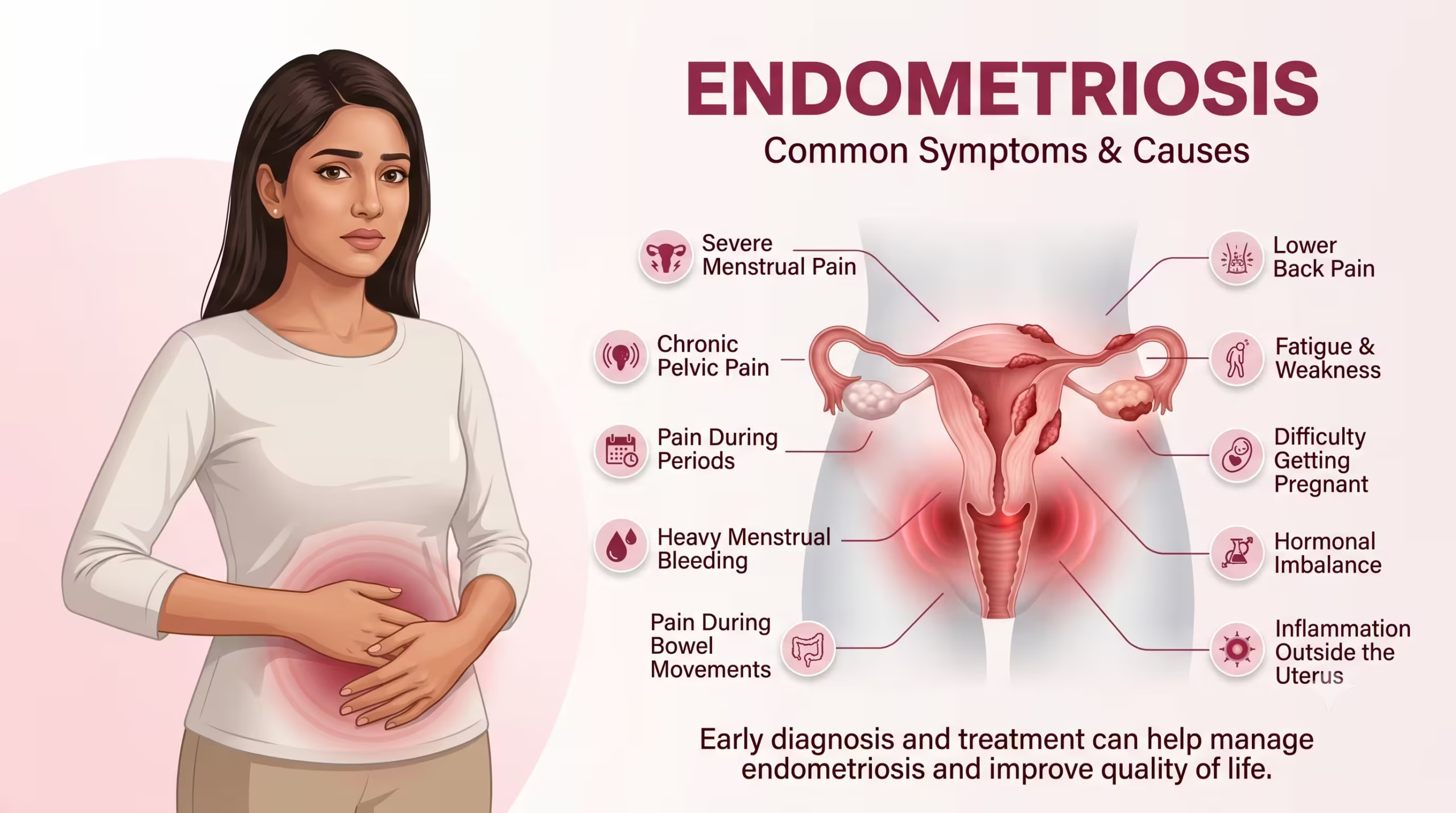
What is Endometriosis? Endometriosis is a common yet often misunderstood gynecological condition in which tissue similar to the inner lining of the uterus (endometrium) starts growing outside the uterus. This abnormal tissue growth can occur on the ovaries, fallopian tubes, pelvic lining, and even other organs. Just like the uterine lining, this tissue thickens, breaks down, and bleeds during each menstrual cycle. However, unlike normal menstrual blood, it has no way to exit the body, leading to inflammation, pain, and sometimes scar tissue (adhesions). Is Endometriosis Cancer? No, endometriosis is not cancer. It is a benign (non-cancerous) condition, but it can behave in ways similar to cancer, such as spreading to nearby tissues. In rare cases, long-standing endometriosis may slightly increase the risk of certain types of ovarian cancer, but this is uncommon. Most women with endometriosis do not develop cancer and can manage the condition effectively with proper medical care. Common Symptoms of Endometriosis The Common Symptomps of Endometriosis are : Severe menstrual cramps (dysmenorrhea) Chronic pelvic pain Pain during or after intercourse Heavy or irregular periods Infertility or difficulty conceiving Pain during urination or bowel movements (especially during periods) What Causes Endometriosis? The exact cause of endometriosis is not fully known, but several factors may contribute: Retrograde Menstruation: Menstrual blood flows backward through the fallopian tubes into the pelvic cavity instead of leaving the body. Genetic Factors : Women with a family history of endometriosis are at higher risk. Hormonal Imbalance: High levels of estrogen can promote the growth of endometrial-like tissue. Immune System Disorders : A weakened immune system may fail to identify and destroy abnormal tissue. Surgical Procedures: Procedures like C-sections or hysterectomy may accidentally transfer endometrial cells outside the uterus. Can Endometriosis Be Prevented? There is no guaranteed way to completely prevent endometriosis, but certain lifestyle choices may help reduce the risk or severity: Maintain Hormonal Balance – Regular exercise and a healthy diet rich in fruits, vegetables, and omega-3 fatty acids. Manage Estrogen Levels – Avoid excessive alcohol and caffeine, and maintain a healthy body weight. Regular Gynecological Check-ups – Early diagnosis can help manage symptoms effectively and prevent complications. Timely Treatment – If you experience severe period pain or irregular symptoms, consult a gynecologist early. When to Consult a Doctor? You should consult a gynecologist if you experience: Severe or worsening menstrual pain that interferes with daily activities Chronic pelvic pain or lower abdominal discomfort Pain during or after intercourse Heavy, irregular, or prolonged menstrual bleeding Difficulty in conceiving (infertility concerns) Pain during urination or bowel movements, especially during periods Symptoms that do not improve with over-the-counter medications. Conclusion Endometriosis is a common yet often underdiagnosed condition that can significantly impact a woman’s physical and emotional well-being. While it is not life-threatening or cancerous, its symptoms—especially chronic pain and fertility challenges—can affect daily life if ignored. The key to managing endometriosis lies in early recognition, timely diagnosis, and appropriate treatment. With the right medical care, lifestyle changes, and regular follow-ups, most women can effectively manage their symptoms and lead a healthy, fulfilling life. Raising awareness and encouraging women to speak openly about menstrual health plays a crucial role in early detection and better outcomes. Frequently Asked Questions (FAQs) About Endometriosis Question 1: What is the main cause of endometriosis? Answer: The exact cause is unknown, but factors like retrograde menstruation, hormonal imbalance, genetics, and immune system issues may contribute to its development. Question 2: What are the early signs of endometriosis? Answer: Early signs include painful periods, pelvic pain, heavy bleeding, pain during intercourse, and difficulty getting pregnant. Question 3: Can endometriosis go away on its own? Answer: Endometriosis usually does not go away on its own. However, symptoms may improve with treatment or after menopause. Question 4: Is endometriosis a serious condition? Answer: While it is not life-threatening, endometriosis can significantly affect quality of life due to chronic pain and fertility issues if left untreated. Question 5 : Can endometriosis cause infertility? Answer: Yes, endometriosis can affect fertility by damaging reproductive organs or causing inflammation, making it harder to conceive. Question 6 : How is endometriosis diagnosed? Answer: Doctors may use pelvic exams, ultrasound, MRI, and sometimes laparoscopy (a minor surgical procedure) for accurate diagnosis. Question 7 : What are the treatment options for endometriosis? Answer: Treatment may include pain medications, hormonal therapy, and in some cases, surgery depending on the severity. Question 8: Can lifestyle changes help manage endometriosis? Answer: Yes, regular exercise, a healthy diet, stress management, and maintaining a healthy weight can help reduce symptoms. Question 9 : Is endometriosis common? Answer: Yes, it affects approximately 1 in 10 women of reproductive age worldwide. Question 10 : Can endometriosis turn into cancer? Answer: Endometriosis is not cancer. In rare cases, it may slightly increase the risk of ovarian cancer, but most women do not develop cancer.
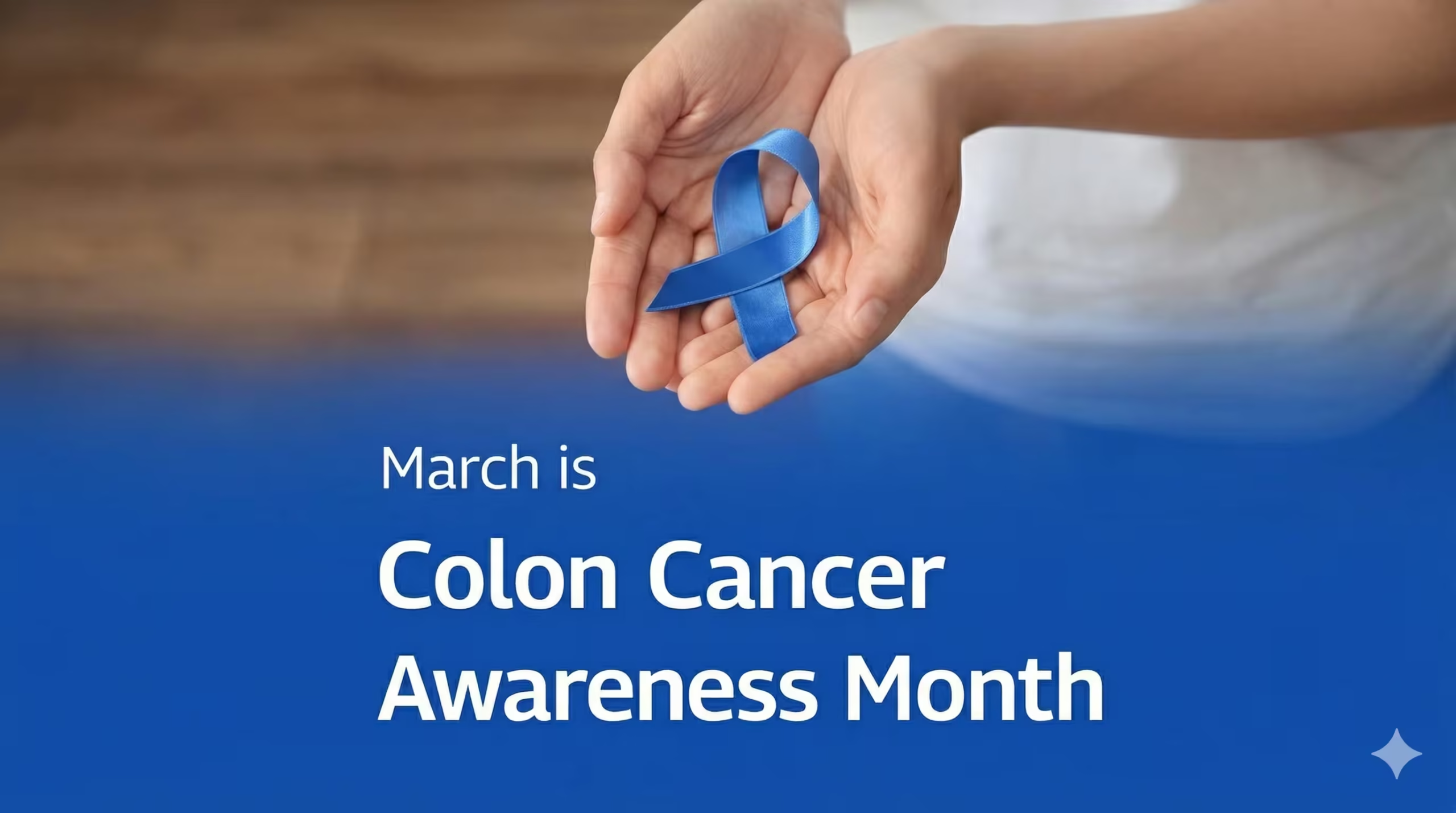
What is colorectal cancer? Colorectal cancer is a kind of cancer that grows in the colon or rectum. It usually starts as growths on the inside of the intestine. Over time: Some of these growths may get bigger Certain kinds of growths can become cancer This change can take time, like ten to fifteen years, which gives us a chance to catch it early and stop it. Why do people call it “Blue March”? March is the month when people think about cancer. The color blue is used to remind people about this cancer. Blue means we are aware of the cancer; we have hope. We want to stop it. During March people try to Teach people about the signs of cancer Encourage people to get checked Help people live lives That is why people call it “Blue March.” Signs and Symptoms of Colorectal Cancer A lot of people who have cancer do not show any signs at first. That is why it is very important to get checked & consult with the doctor. Some warning signs are the following: Common signs are: Blood, in your stool or bleeding Your bowel habits. You have diarrhea or you are constipated Your stools are narrow or thin You have stomach pain. You feel bloated You feel like you still have to go to the bathroom You feel weak or tired You lose weight. You do not know why It is very important to remember that these signs can also mean you have something else wrong with you. You should never ignore them. Colorectal cancer is what we are talking about. We need to think about colorectal cancer when we see these signs. Prevention of Colorectal Cancer The good thing about cancer is that you can really prevent it from happening. Lifestyle Changes: You should eat foods that have a lot of fiber like fruits and vegetables and whole grains Try not to eat much red meat and processed meat Exercise is very important so try to do it all the time You need to keep your weight at a level Do not smoke because it is bad for you Limit how much alcohol you drink Screening and Medical Prevention: You should get a colonoscopy regularly, especially when you are over 45 years old or earlier if you are at high risk, for colorectal cancer If they find any polyps they can remove them. That will prevent colorectal cancer from developing It is very important to know your family history of cancer If they find cancer early, then you can get treatment, and that can save your life. Colorectal cancer is a thing, but if you take care of yourself and get screened regularly, you can really prevent it. Why Early Detection Matters in Colorectal Cancer detection is really important when it comes to fighting colorectal cancer. The thing is, this cancer usually develops slowly over years. This gives us a chance to detect it and treat it early on. Key Reasons Why Early Detection is Important: Higher Survival Rates: When we detect cancer early, like in the early stages, the survival rate is very high, over 90 percent. When it is detected at advanced stages, it is much harder to treat, and the survival rates are lower. Prevention Before Colorectal Cancer Develops: We have screening methods like colonoscopy that can detect and remove polyps before they even turn into cancer. This is why colorectal cancer is one of the preventable cancers. Less Aggressive Treatment: When we catch cancer early it often only needs minor surgery.. When it is at an advanced stage it may need things like chemotherapy, radiation or even multiple treatments. Better Quality of Life: Treating cancer early means there are fewer complications. This means patients can get back to their life faster. Reduced Treatment Burden: If we diagnose cancer early, it reduces the need for long and expensive treatments. Important Reminder: A lot of cases of colorectal cancer do not show any symptoms. This is why it is so important to get screened even if you feel perfectly healthy. Regular screening for cancer is essential. Conclusion Colorectal cancer is a serious but highly preventable and treatable disease when detected early. It often begins silently, without noticeable symptoms, but progresses over time if left untreated. By understanding the risk factors, warning signs, and importance of screening, individuals can take proactive steps toward protecting their health. A healthy lifestyle, regular check-ups, and timely medical attention can make a life-saving difference. Don’t ignore the signs. Don’t delay screening. Early detection can save lives. Frequently Asked Questions (FAQs) What Causes Colorectal Cancer and Its Treatments Question 1: What causes cancer? Answer: Colorectal cancer develops from genetic mutations in the colon or rectal cells of the colorectal cancer patient. It often starts from polyps in colorectal cancer. Question 2: Who is at risk of getting cancer? Answer: People who are over 45 years old and those with a family history of cancer and people who are obese or people who smoke or people who have unhealthy diets are at a higher risk of getting colorectal cancer. Question 3: Can young people get cancer? Answer: Yes young people can get cancer and there are more cases of colorectal cancer in younger adults now though colorectal cancer is more common in older individuals with colorectal cancer. Question 4:Is colorectal cancer curable? Answer: Yes, colorectal cancer is curable if the colorectal cancer is detected early and it is highly treatable and often curable if the colorectal cancer patient gets treatment early. Question 5:What is a colonoscopy for cancer? Answer: A colonoscopy is a test that allows doctors to examine the colon and remove polyps if they find any polyps in the colon of the colorectal cancer patient. Question 6: Is cancer painful? Answer: The early stages of cancer may not cause pain but pain usually appears in the later stages of colorectal cancer. Question 7: What does blood in stool look like
Frequently Asked Questions (FAQs) – Dermatology at Apple Hospital
Apple Hospital offers comprehensive skin, hair, and nail care through experienced dermatologists, advanced treatment options, modern diagnostic facilities, and personalized patient care.
We treat acne, eczema, psoriasis, skin allergies, fungal infections, pigmentation disorders, hair loss, nail diseases, skin infections, and various cosmetic skin concerns.
Yes. We offer diagnosis and treatment for hair fall, alopecia, dandruff, scalp infections, and other hair disorders using evidence-based therapies.
Yes. We provide chemical peels, skin rejuvenation, scar treatment, pigmentation correction, anti-aging procedures, and other non-surgical cosmetic dermatology treatments.
You should consult a dermatologist if you experience persistent skin rashes, acne, unexplained hair loss, itching, changing moles, recurring infections, nail disorders, or any skin condition that does not improve with home care.