What is PCOS? | Common Symptoms, Causes & Why Early Diagnosis Matters
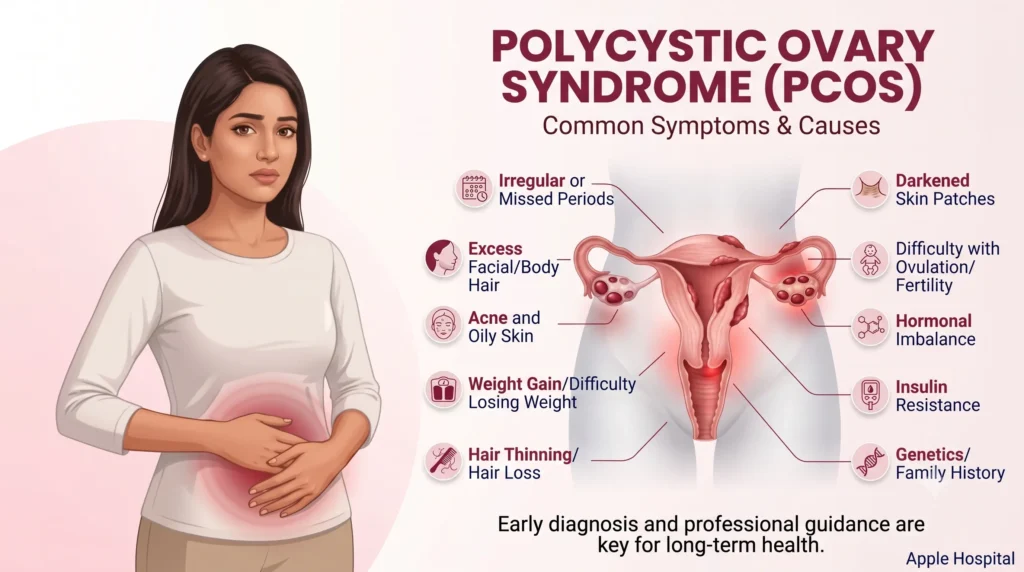
What is PCOS? Polycystic Ovary Syndrome (PCOS) is one of the most common hormonal and metabolic disorders affecting women of reproductive age. It occurs when there is an imbalance in reproductive hormones, which can affect the ovaries, menstrual cycle, ovulation, metabolism, skin, hair, and fertility. In PCOS, the ovaries may not release eggs regularly (ovulation), leading to irregular menstrual cycles. Some women may also develop multiple small fluid-filled follicles in their ovaries, although not every woman with PCOS has ovarian cysts. PCOS is a lifelong condition, but with early diagnosis, lifestyle modifications, and appropriate medical treatment, most women can successfully manage their symptoms and lead healthy lives. Why is PCOS Awareness Is Important? PCOS is far more common than many people realize. According to international health organizations: Approximately 10–13% of women of reproductive age are affected by PCOS. Up to 70% of women remain undiagnosed, often because they assume their symptoms are “normal” or simply related to stress or weight gain. Many women ignore the early warning signs for years, delaying diagnosis and increasing the risk of future health complications. Is PCOS Dangerous? PCOS is not a life-threatening disease, but it should never be ignored. If left untreated, PCOS can increase the risk of: Infertility or difficulty conceiving Type 2 Diabetes Insulin Resistance High Blood Pressure High Cholesterol Obesity Sleep Apnea Anxiety and Depression Endometrial (Uterine) Problems Early diagnosis and regular follow-up can significantly reduce these risks. Common Symptoms of PCOS The symptoms of PCOS vary from woman to woman. Some women may experience only a few symptoms, while others may have several. Common Signs & Symptoms Include: Irregular or missed periods Heavy menstrual bleeding Difficulty getting pregnant Acne or oily skin Excess facial or body hair (Hirsutism) Hair thinning or hair loss Weight gain Difficulty losing weight Dark patches on the neck, underarms, or groin (Acanthosis Nigricans) Mood changes Fatigue What Causes PCOS? The exact cause of PCOS is still unknown, but several factors may contribute to its development. Hormonal Imbalance: An imbalance in reproductive hormones can interfere with normal ovulation and menstrual cycles. Insulin Resistance: Many women with PCOS have insulin resistance, causing the body to produce more insulin. High insulin levels can stimulate the ovaries to produce excess male hormones (androgens). Genetics: PCOS often runs in families. If your mother or sister has PCOS, your risk may be higher. Increased Androgen Levels: Higher-than-normal androgen levels can lead to acne, excessive facial hair, and irregular ovulation. Lifestyle & Environmental Factors: Being overweight, physical inactivity, poor dietary habits, and chronic stress may worsen PCOS symptoms in genetically susceptible women. Can PCOS Be Prevented? There is currently no guaranteed way to prevent PCOS, especially when genetics play a role. However, healthy lifestyle habits can help reduce symptoms and lower the risk of complications. Healthy Lifestyle Tips Maintain a healthy body weight Exercise regularly Eat a balanced diet rich in vegetables, fruits, whole grains, and lean proteins Reduce processed foods and sugary beverages Get adequate sleep Manage stress effectively Schedule regular gynecological check-ups Seek medical advice if menstrual cycles become irregular When Should You Consult a Gynecologist? You should consult a gynecologist if you experience: Irregular or absent periods Heavy menstrual bleeding Persistent acne that doesn’t improve Excess facial or body hair Sudden weight gain or difficulty losing weight Hair thinning or excessive hair fall Difficulty getting pregnant Symptoms lasting for several months A family history of PCOS Do not ignore persistent symptoms. Early evaluation can help prevent future complications. Conclusion PCOS is one of the most common yet frequently undiagnosed hormonal disorders affecting women. While it cannot always be prevented, it can be effectively managed with early diagnosis, healthy lifestyle changes, and appropriate medical care. This PCOS Awareness Month, remember that your body often gives subtle warning signs before more serious complications develop. Irregular periods, acne, unexplained weight gain, or excessive facial hair should never be ignored. The earlier you seek medical advice, the better your chances of managing symptoms, protecting your fertility, and improving your long-term health. Listen to your body. Don’t wait for symptoms to become severe—consult your gynecologist if you notice persistent changes. Frequently Asked Questions (FAQs) About PCOS Question 1: What is PCOS? Answer: PCOS (Polycystic Ovary Syndrome) is a hormonal and metabolic disorder that affects ovulation, menstrual cycles, fertility, hormones, and overall health in women of reproductive age. Question 2: What are the early signs of PCOS? Answer: Early signs include irregular periods, acne, weight gain, difficulty losing weight, excess facial hair, hair thinning, and difficulty conceiving. Question 3: What causes PCOS? Answer: The exact cause is unknown, but genetics, insulin resistance, hormonal imbalance, increased androgen levels, and lifestyle factors are believed to contribute. Question 4: Can PCOS be cured permanently? Answer: There is currently no permanent cure for PCOS. However, symptoms can be effectively managed through lifestyle modifications, medications, and regular medical care. Question 5: Can women with PCOS become pregnant? Answer: Yes. Many women with PCOS conceive naturally, while others may require fertility treatment. Early diagnosis and treatment significantly improve fertility outcomes. Question 6: Does every woman with irregular periods have PCOS? Answer: No. Irregular periods can occur due to stress, thyroid disorders, hormonal changes, excessive exercise, or other medical conditions. A proper evaluation is necessary to determine the cause. Question 7: How is PCOS diagnosed? Answer: Doctors diagnose PCOS based on medical history, menstrual symptoms, physical examination, blood tests to assess hormone levels, and pelvic ultrasound when appropriate. Question 8: Can lifestyle changes help manage PCOS? Answer: Yes. Regular exercise, a balanced diet, maintaining a healthy weight, adequate sleep, and stress management play an important role in controlling PCOS symptoms. Question 9: Is PCOS common? Answer: Yes. PCOS affects approximately 10–13% of women of reproductive age worldwide, making it one of the most common endocrine disorders in women. Question 10: Why is early diagnosis of PCOS important? Answer: Early diagnosis helps manage symptoms, improves fertility, regulates menstrual cycles, reduces the risk of diabetes and cardiovascular disease, and enhances overall quality of
What is PCOS? | Common Symptoms, Causes & Why Early Diagnosis Matters Read More »